UX Case Study - Smart House App
1. Introduction
YUCA is a proptech that transforms the urban living experience by offering more flexible, technology-driven, and transparent solutions for people looking to rent or invest in real estate.
This project presents a comprehensive UX study, including:
- Exploratory research
- Competitive analysis
- Stakeholder mapping
- Persona definition
- User journey mapping
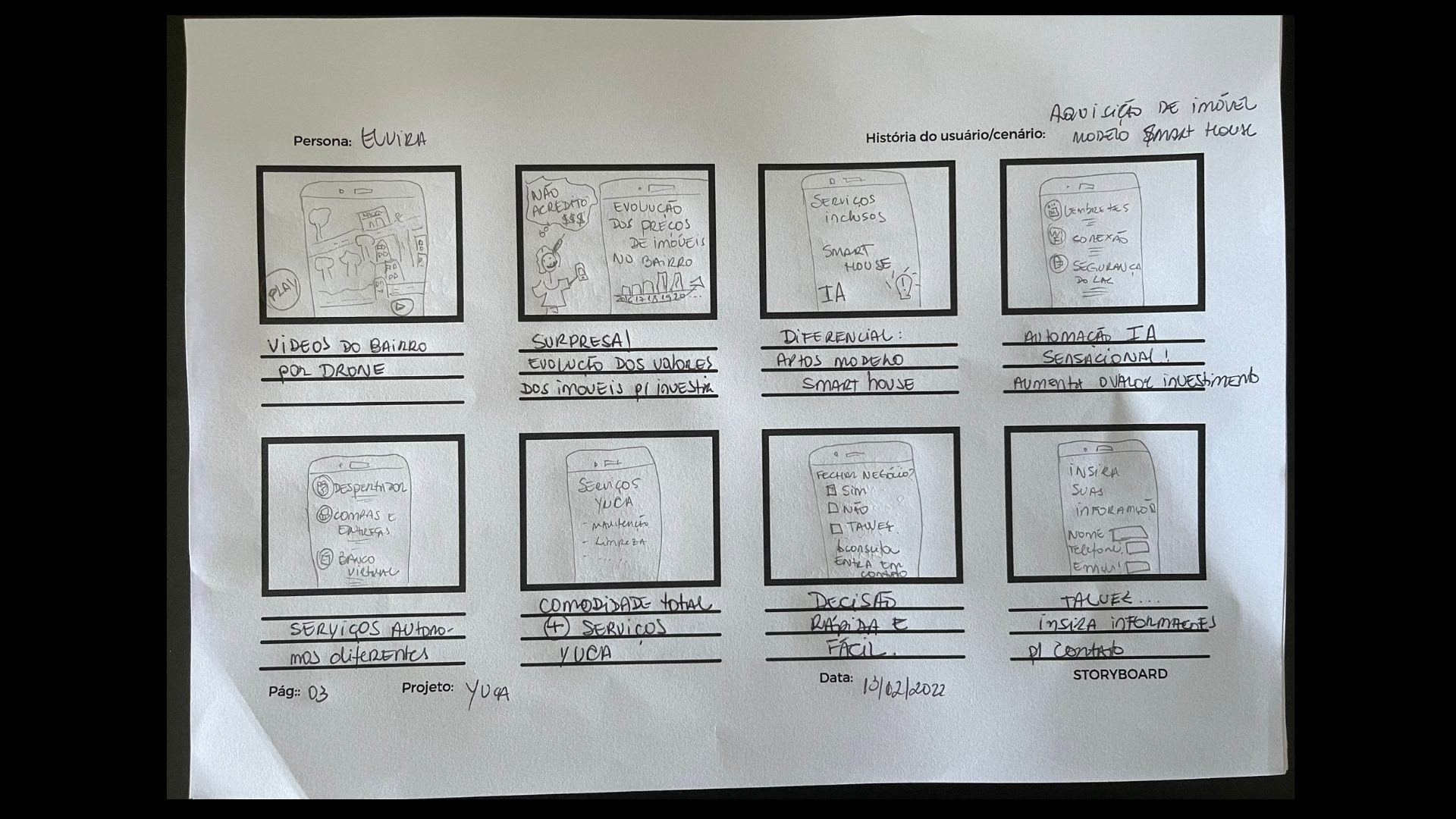
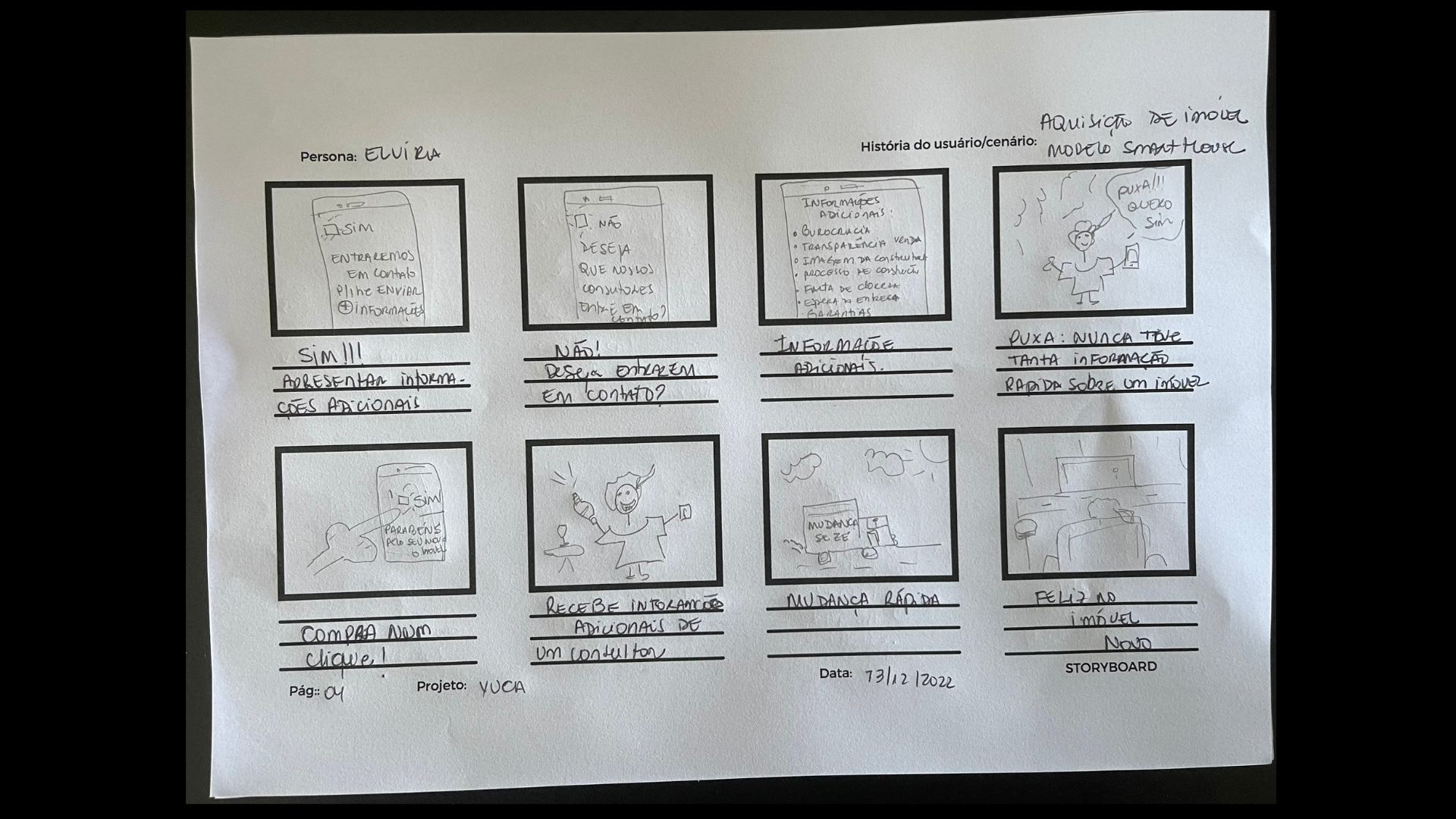
- Storyboarding
- Identification of innovation opportunities
- Mid-fidelity prototyping
The primary goal was to design an intuitive, fast, informative, and decision-oriented platform especially tailored to digital natives who value practicality, autonomy, and reliable data.
2. Problem Statement
Users interested in digital housing solutions commonly face:
- Excessive bureaucracy
- Fragmented information
- Difficulty comparing neighborhoods
- Uncertainty around investment decisions
- Limited support prior to decision-making
- A strong need for speed and autonomy
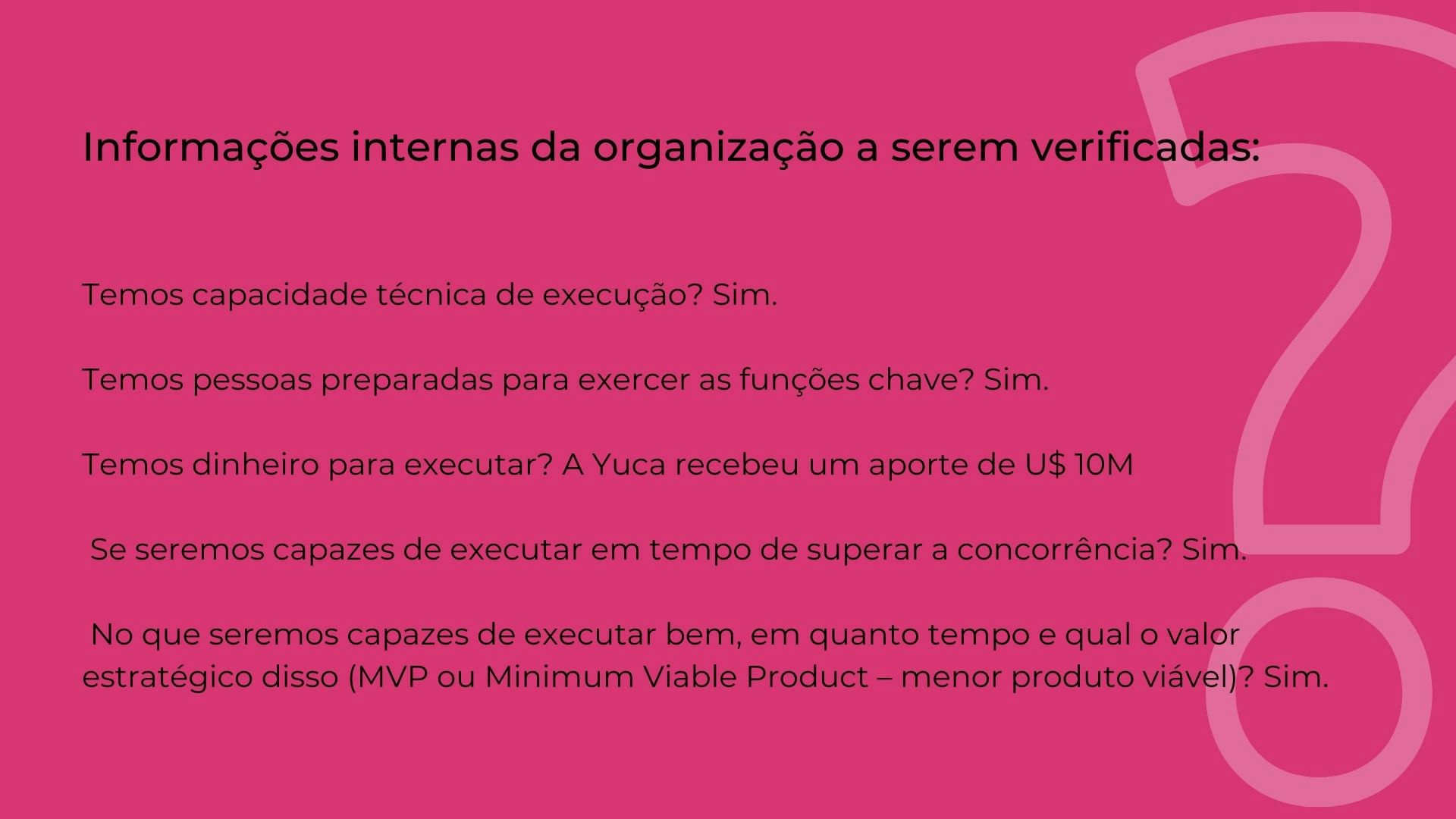
YUCA was seeking a solution capable of delivering:
- Complete information in a single click
- Meaningful experiences both inside and outside the property
- Reduced need for human assistance before closing
- A clean, objective, and secure user journey
3. Research & Immersion
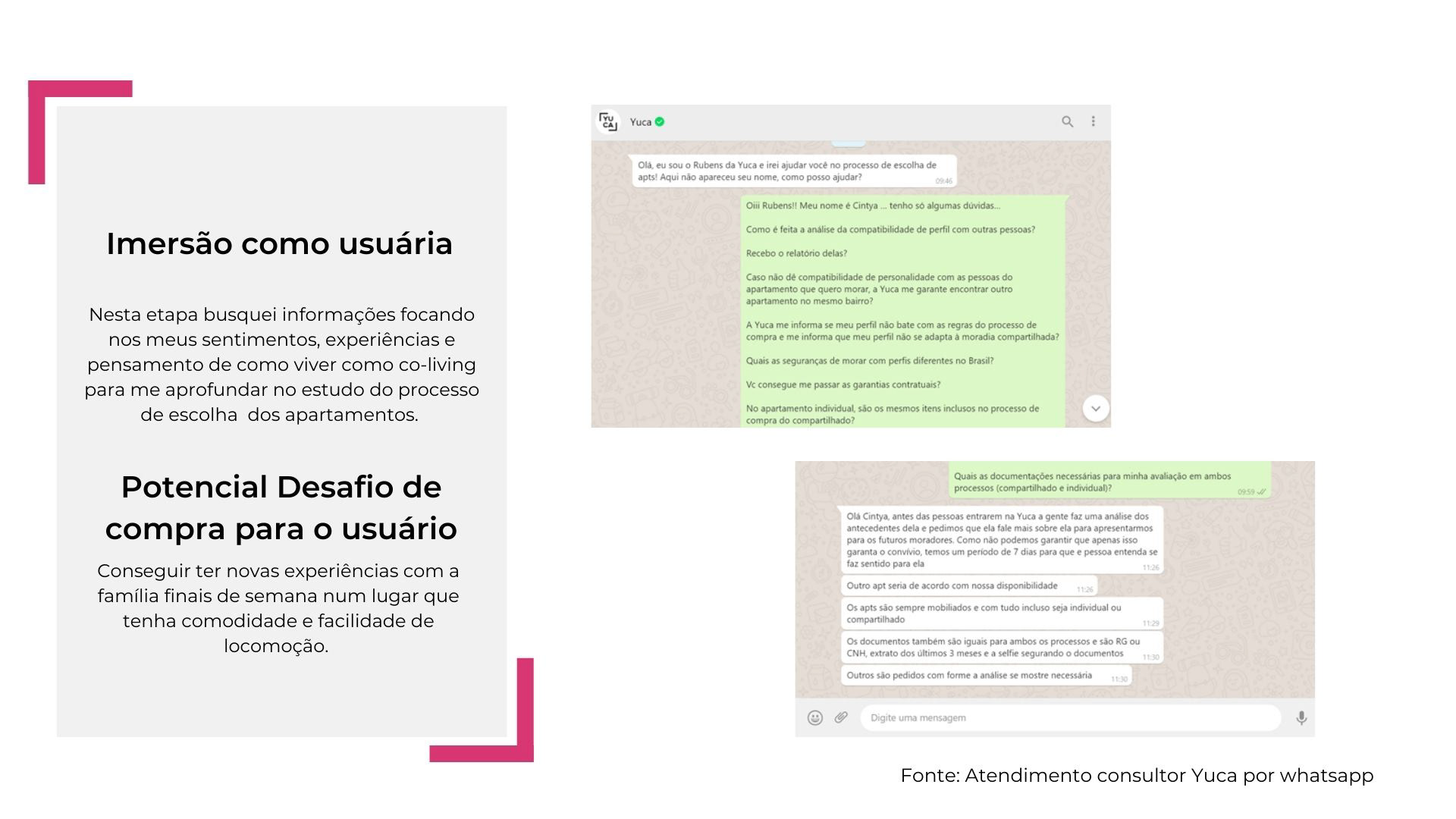
I simulated the end-to-end journey by engaging with consultants and analyzing users’ questions, emotions, and barriers encountered during the property search process.
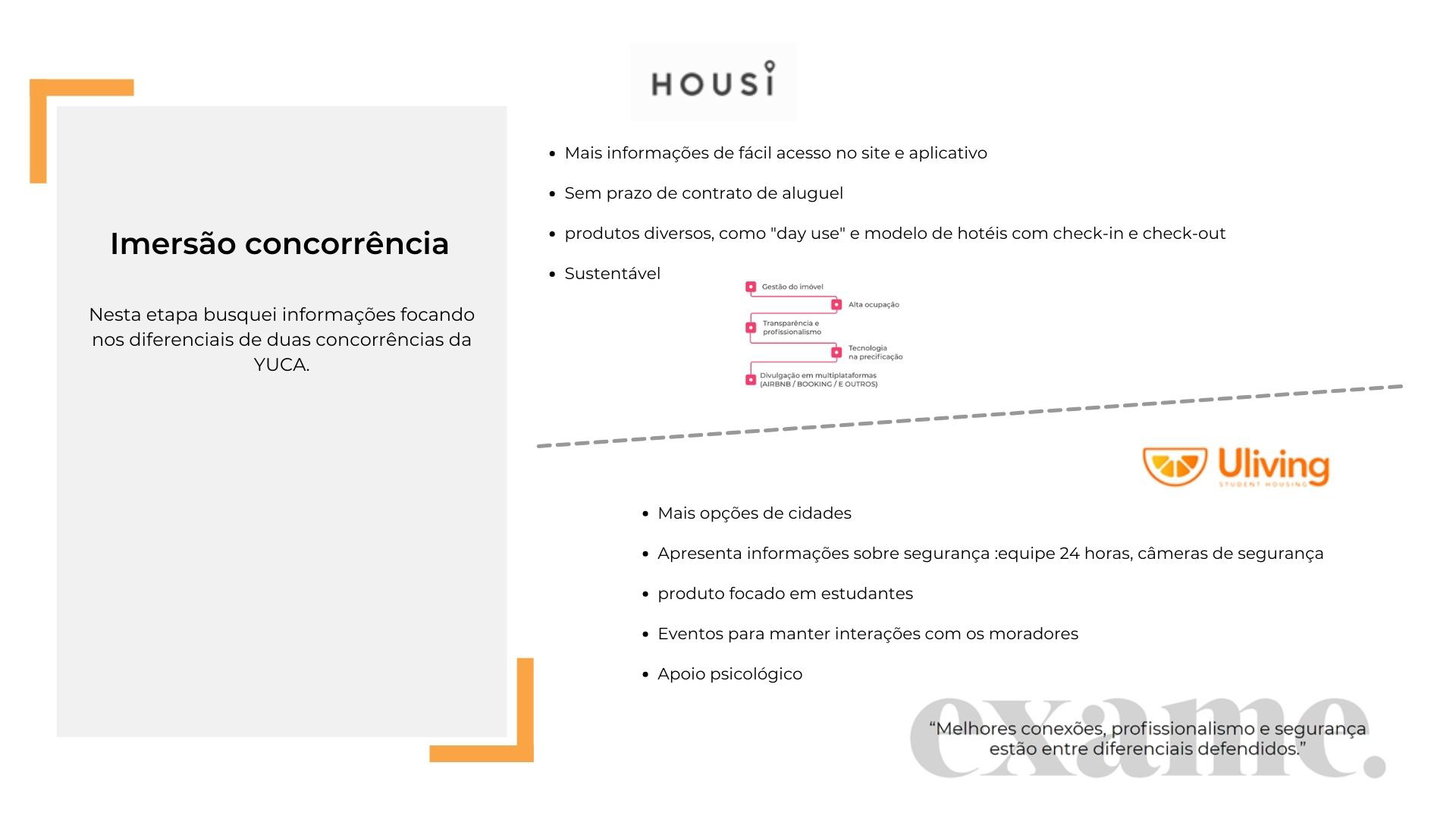
Competitive Analysis: Housi and Uliving
I analyzed both functional and emotional differentiators, identifying key factors such as:
- Pet-friendly policies
- Day-use products
- Enhanced security features
- Additional services and amenities
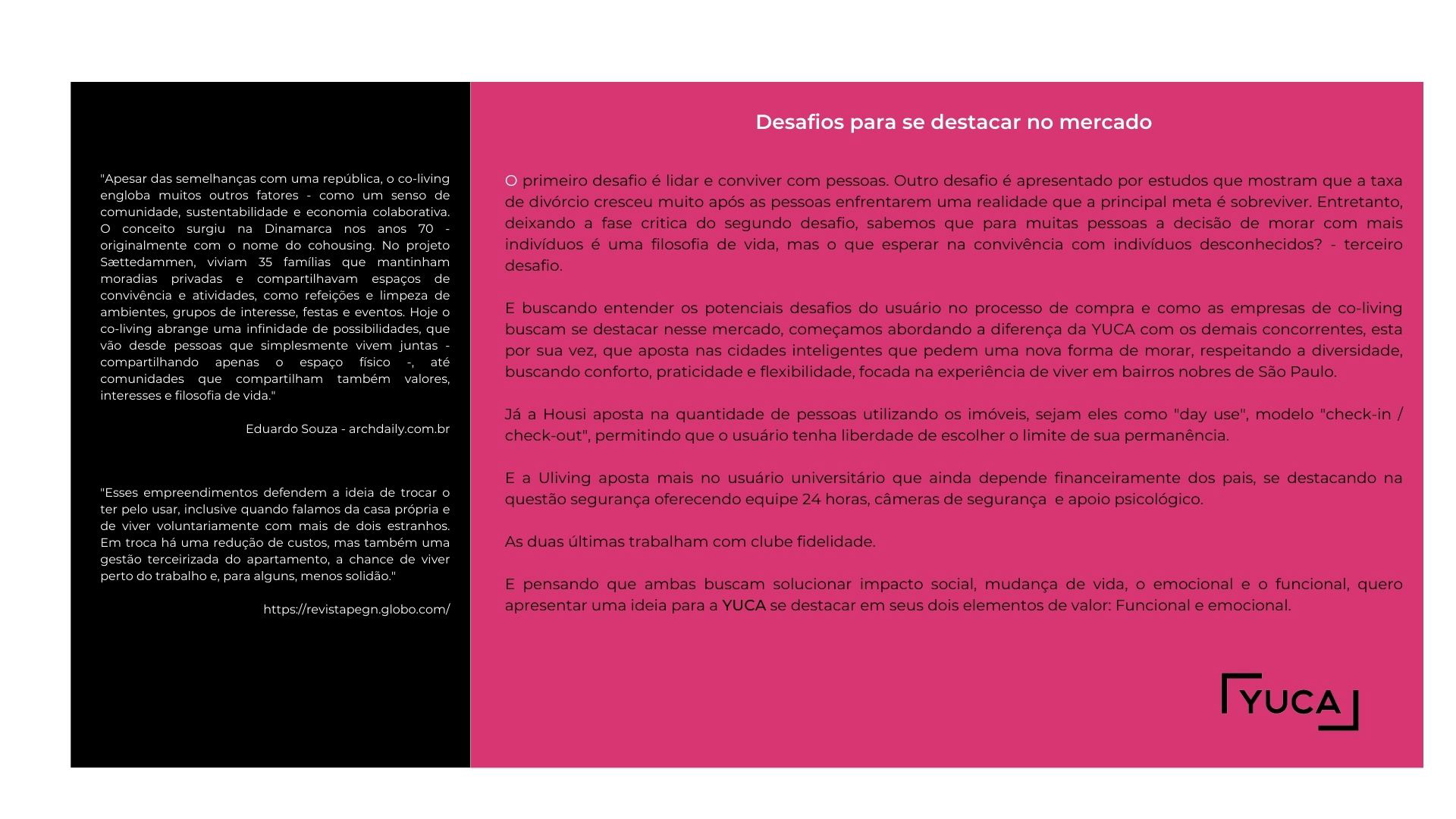
Key Insights
- Users value practicality, comfort, and fast decision-making
- They seek expanded experiences, not just housing
- They want reliable, consolidated information
- Community, security, and freedom are critical factors
4. Stakeholders
I mapped all agents involved in the YUCA ecosystem, ranging from residents to investors, as well as support, marketing, and real estate consultants.
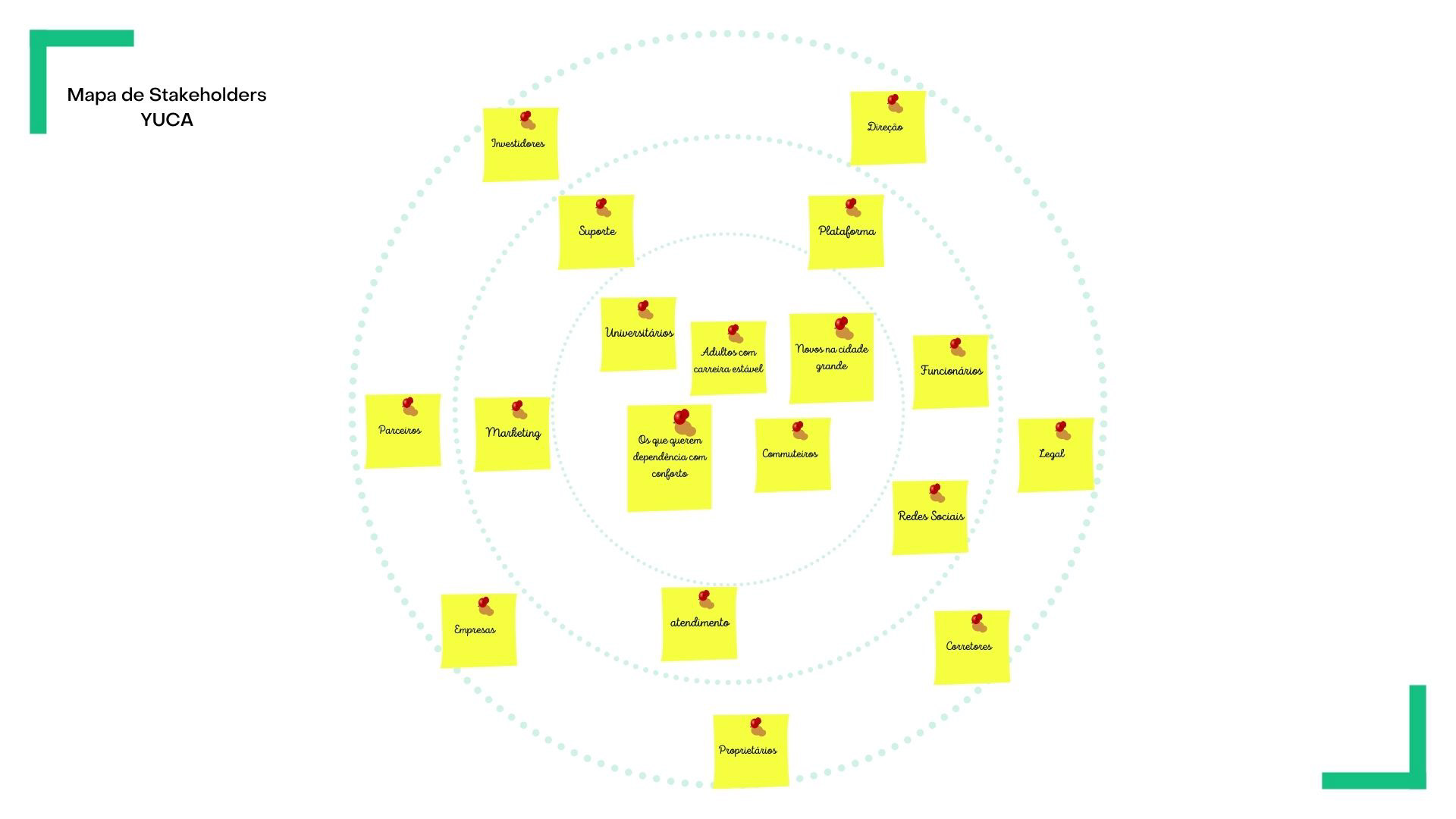
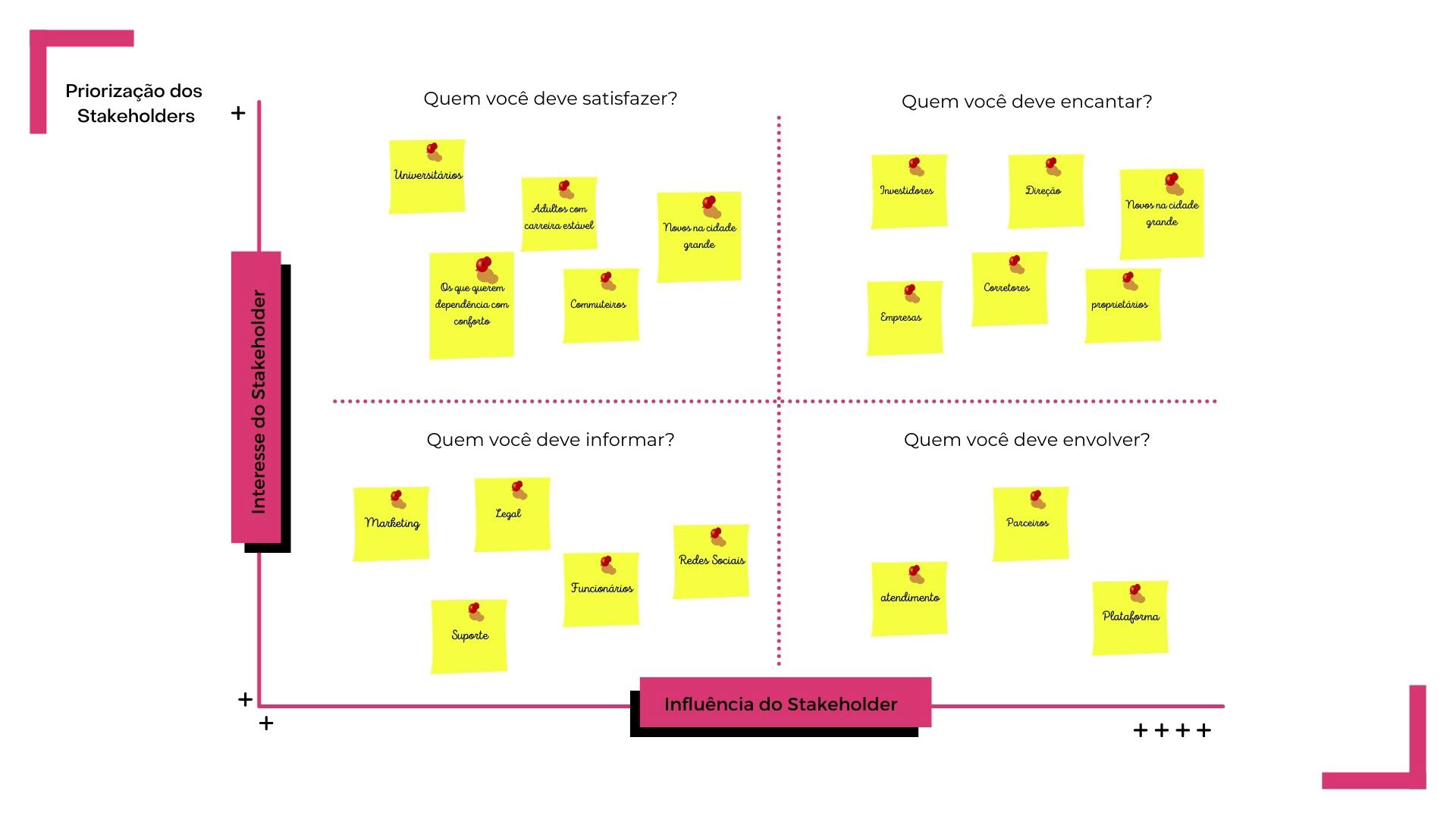
I was able to identify:
- Who should be delighted
- Who should be satisfied
- Who should be engaged
- Who should be informed
This mapping guided decision-making for the Smart House platform.
5. Personas (3 main personas)
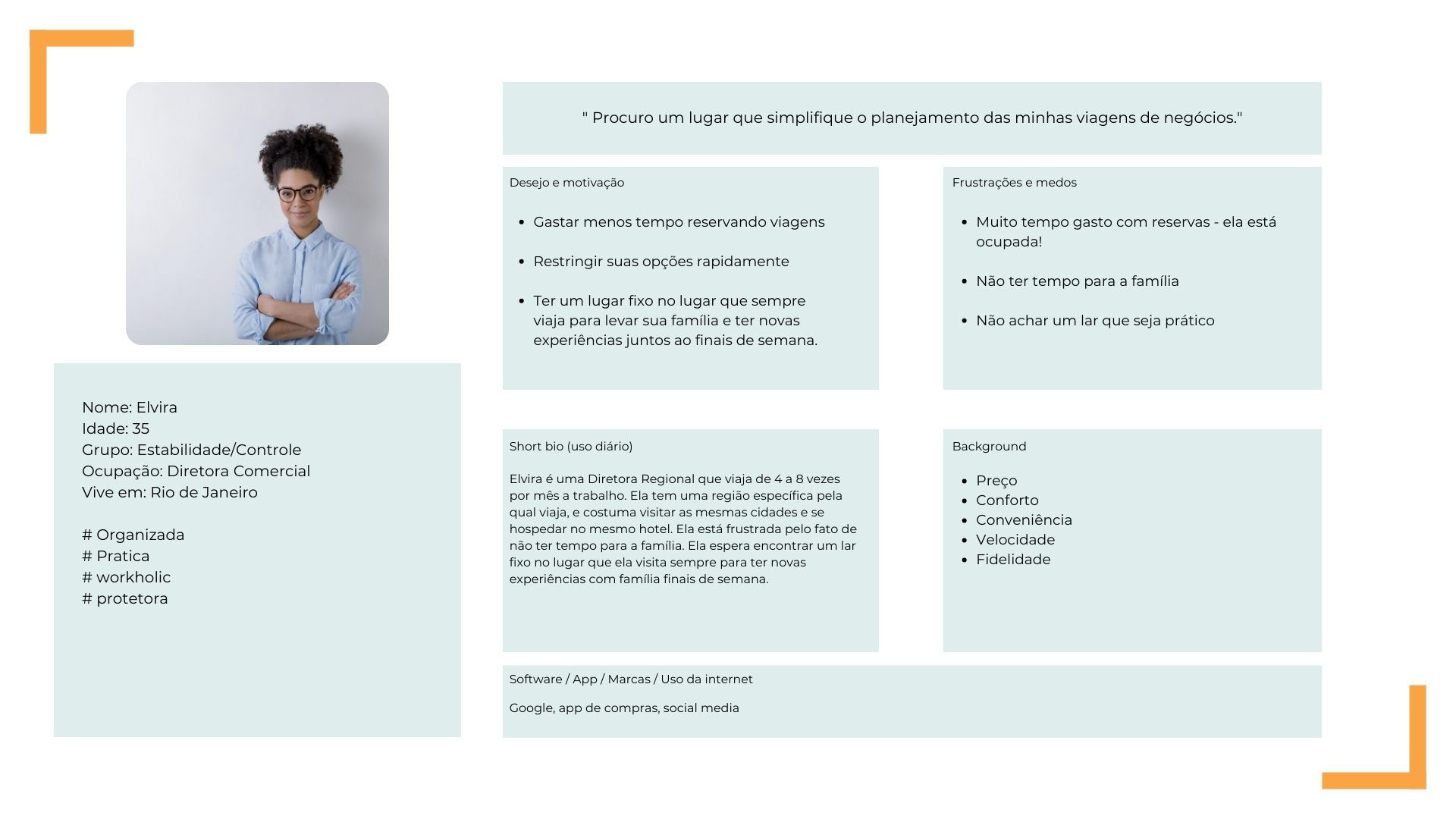
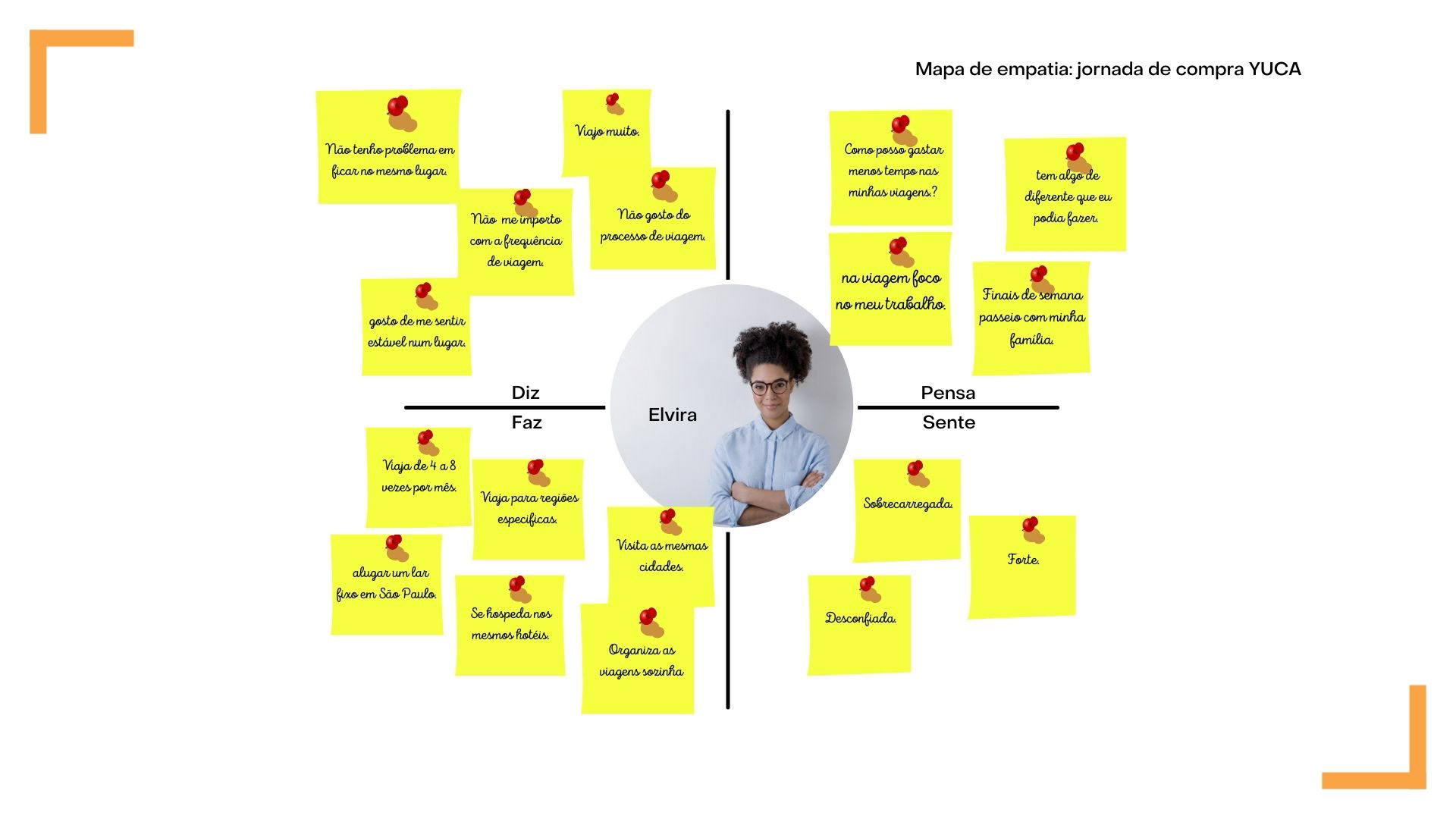
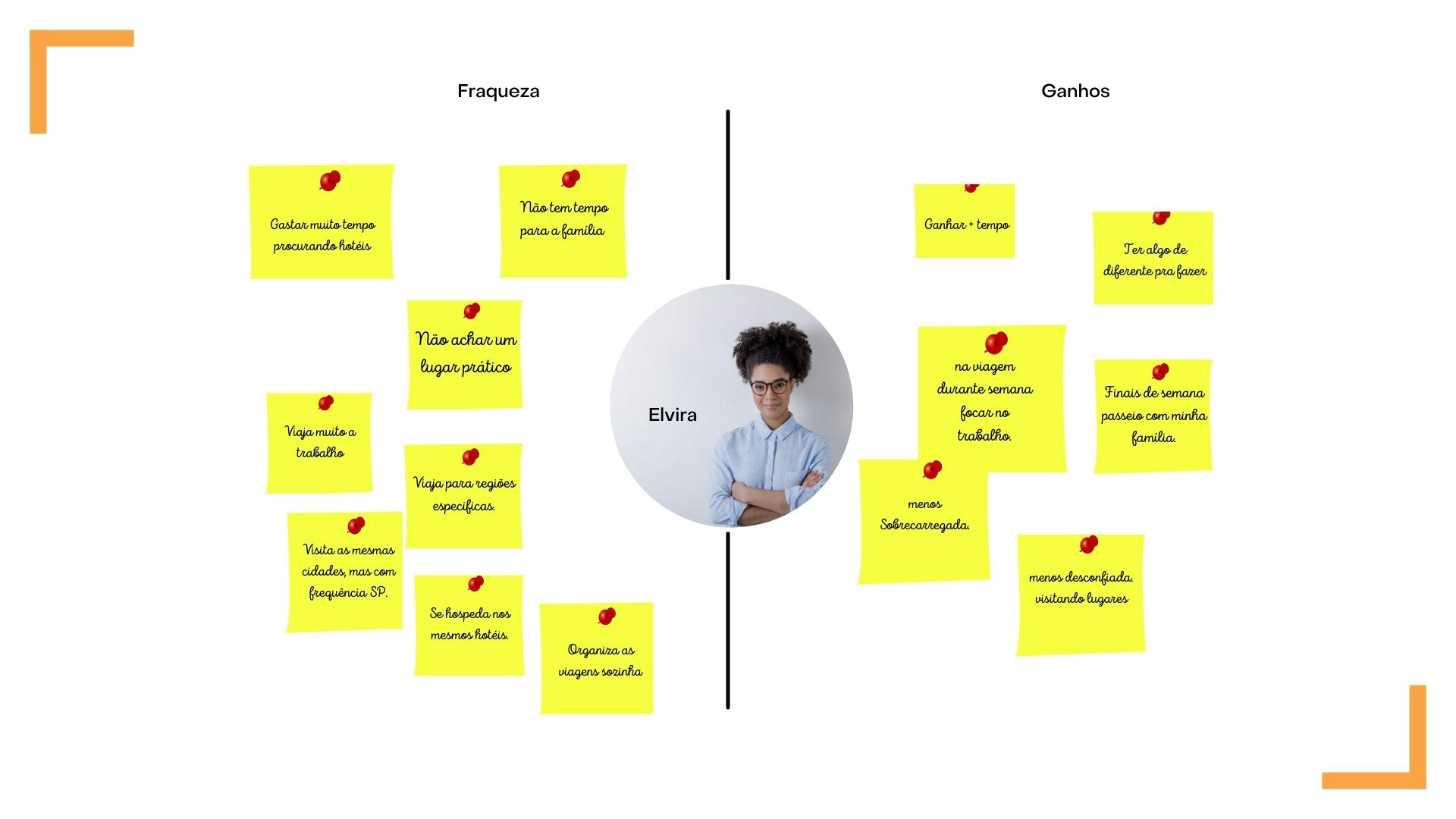
Elvira, Commercial Director (35 years old)
"I’m looking for a place that simplifies the planning of my business trips."
"I’m looking for a place that simplifies the planning of my business trips."
Pain points:
- Lack of time
- Slow decision-making
- Hotels do not meet family-related needs
Gains:
- Practicality
- A fixed base in São Paulo
- Comfort and convenience
- Security
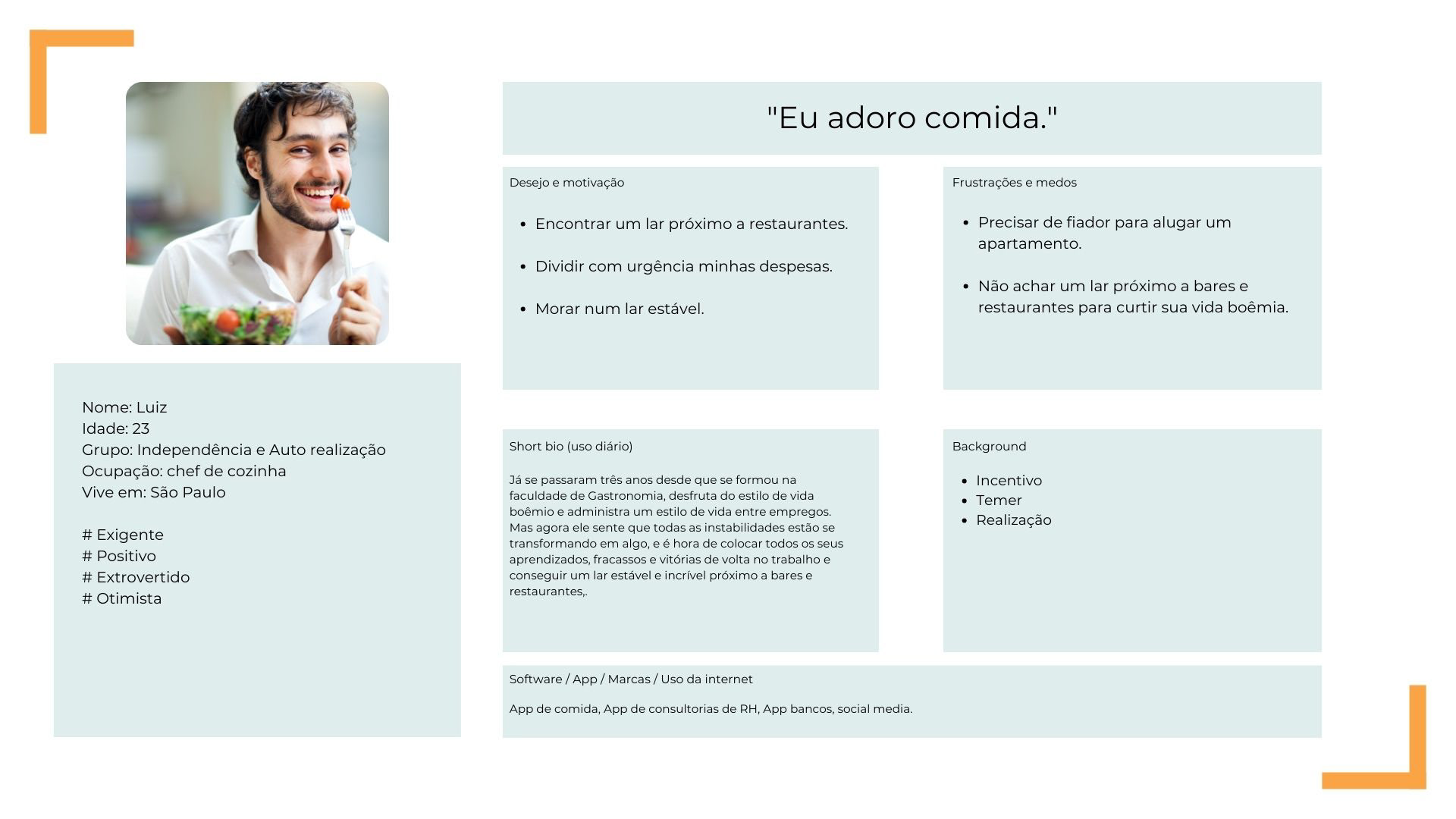
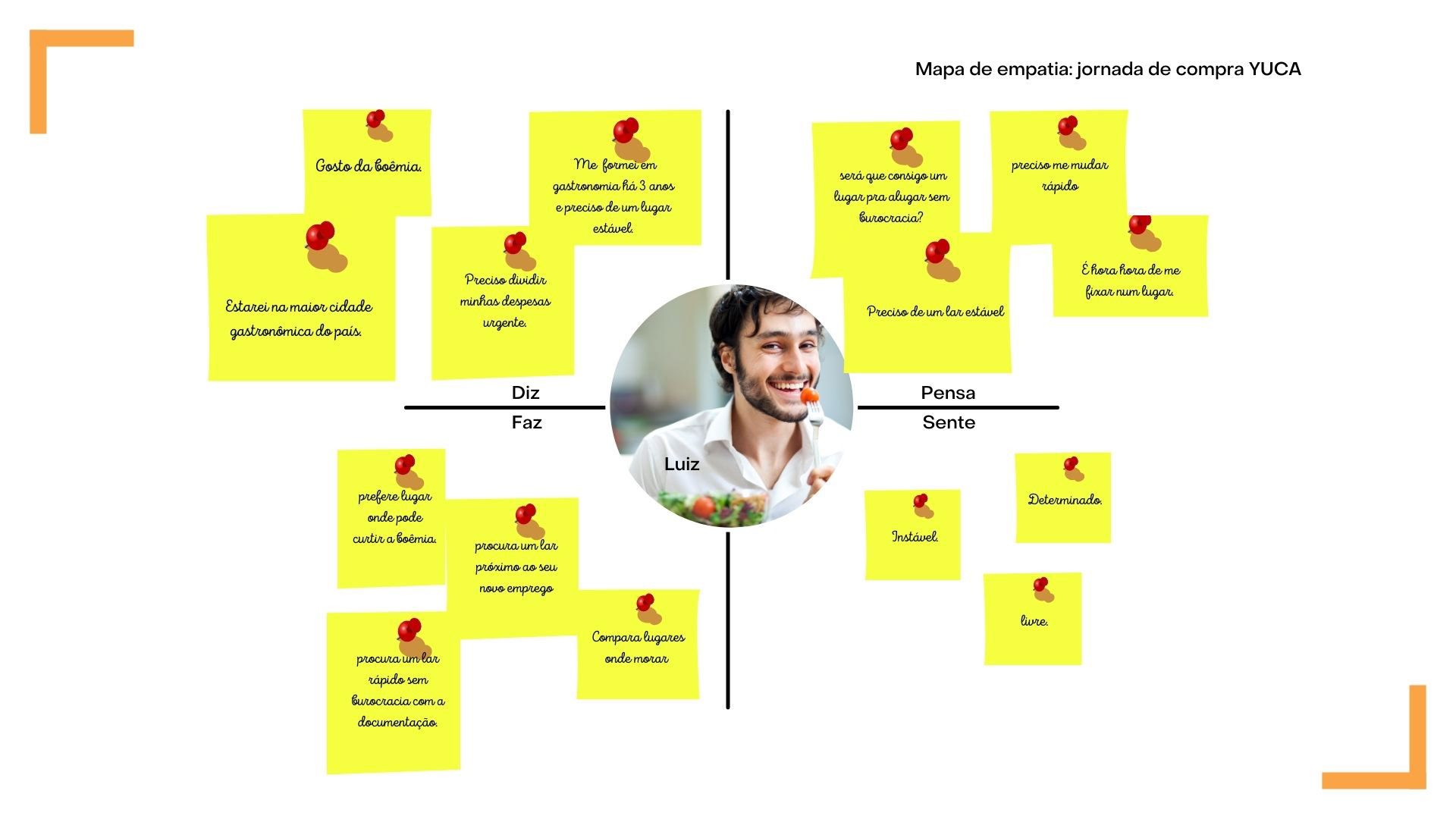
Luiz, Bohemian Chef (23 years old)
"I love food!"
"I love food!"
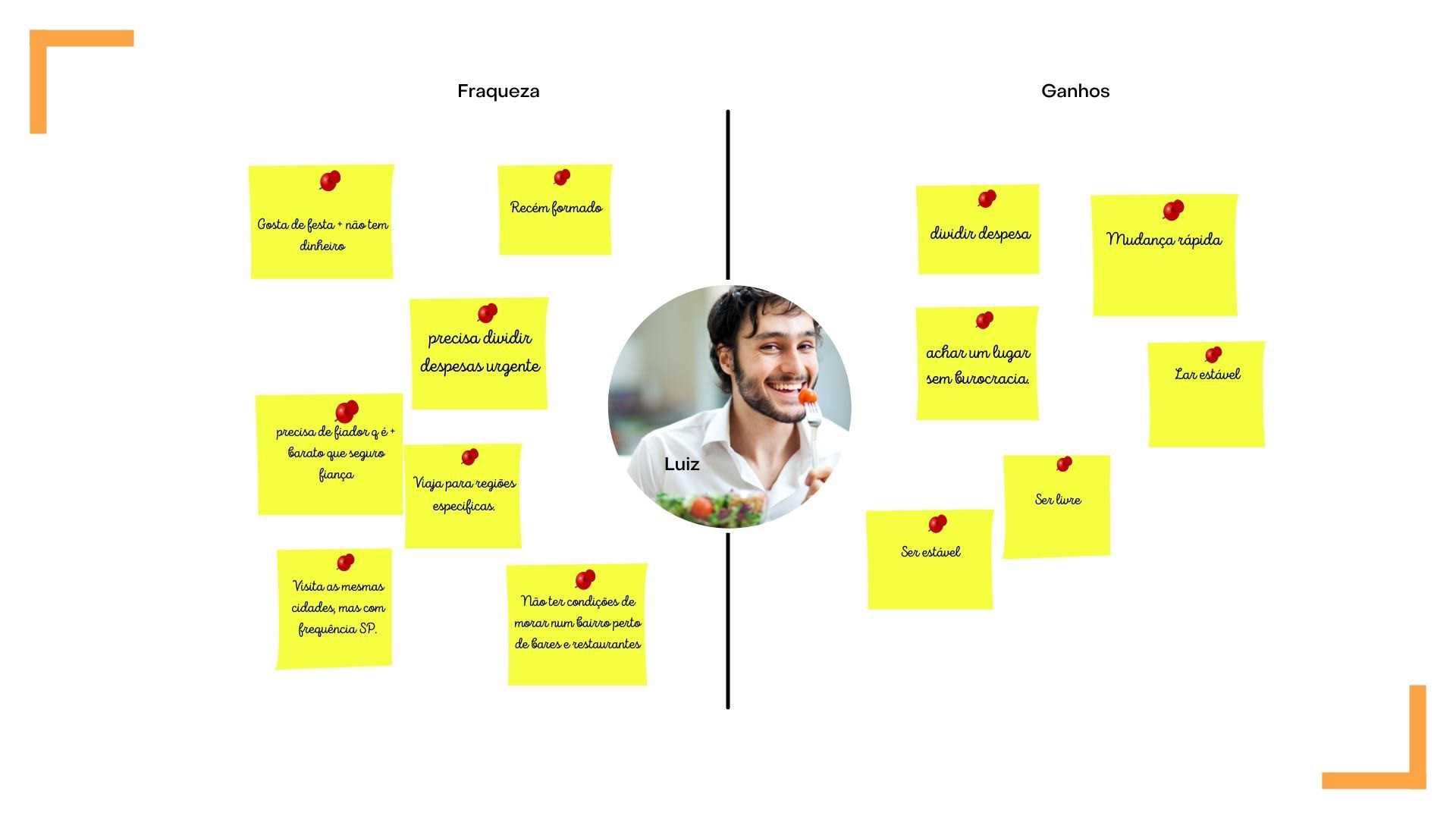
Pain points:
- Instability
- Bureaucracy
- Splitting expenses
Gains:
- Living close to restaurants
- Financial control
- Agility
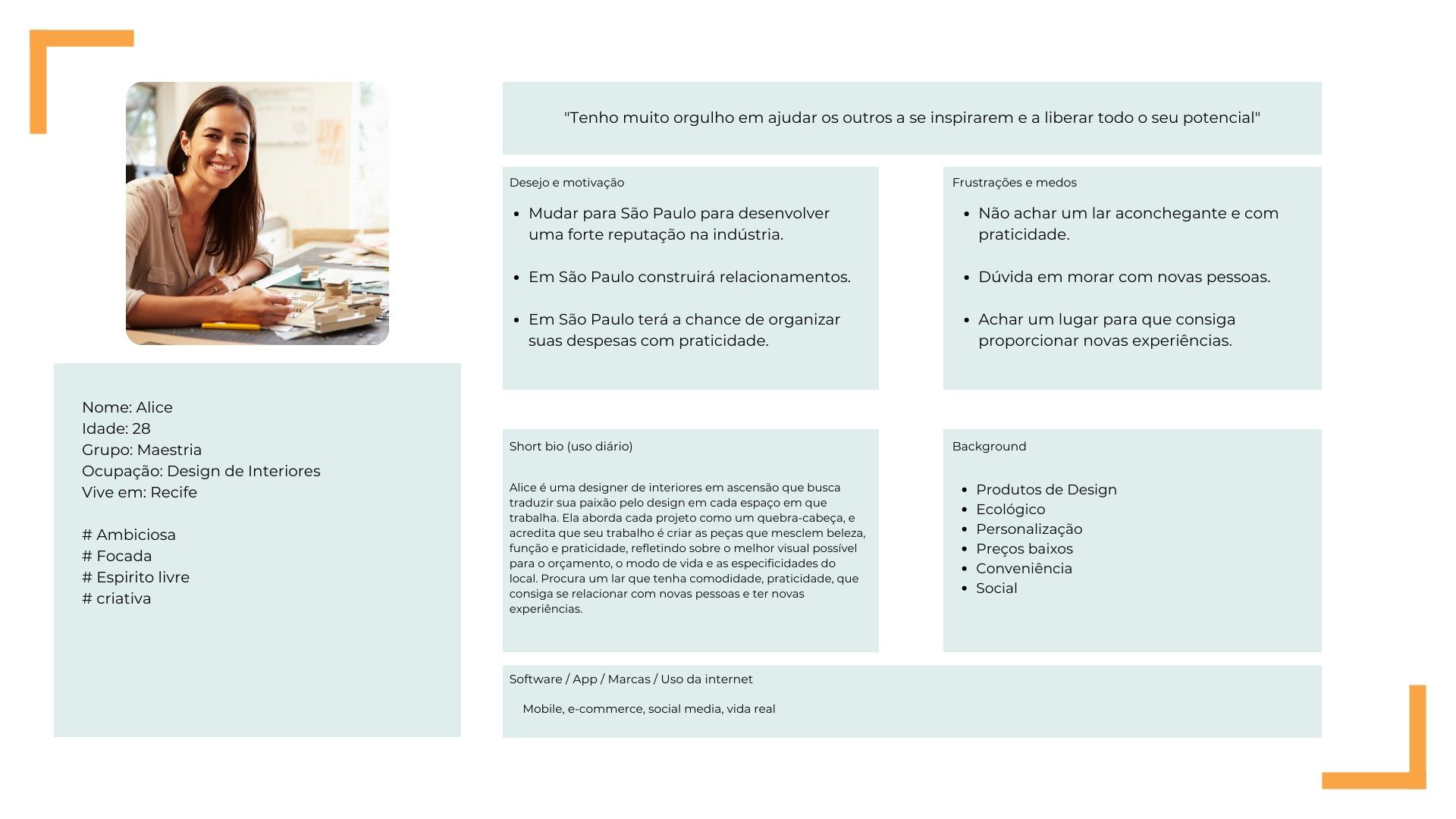
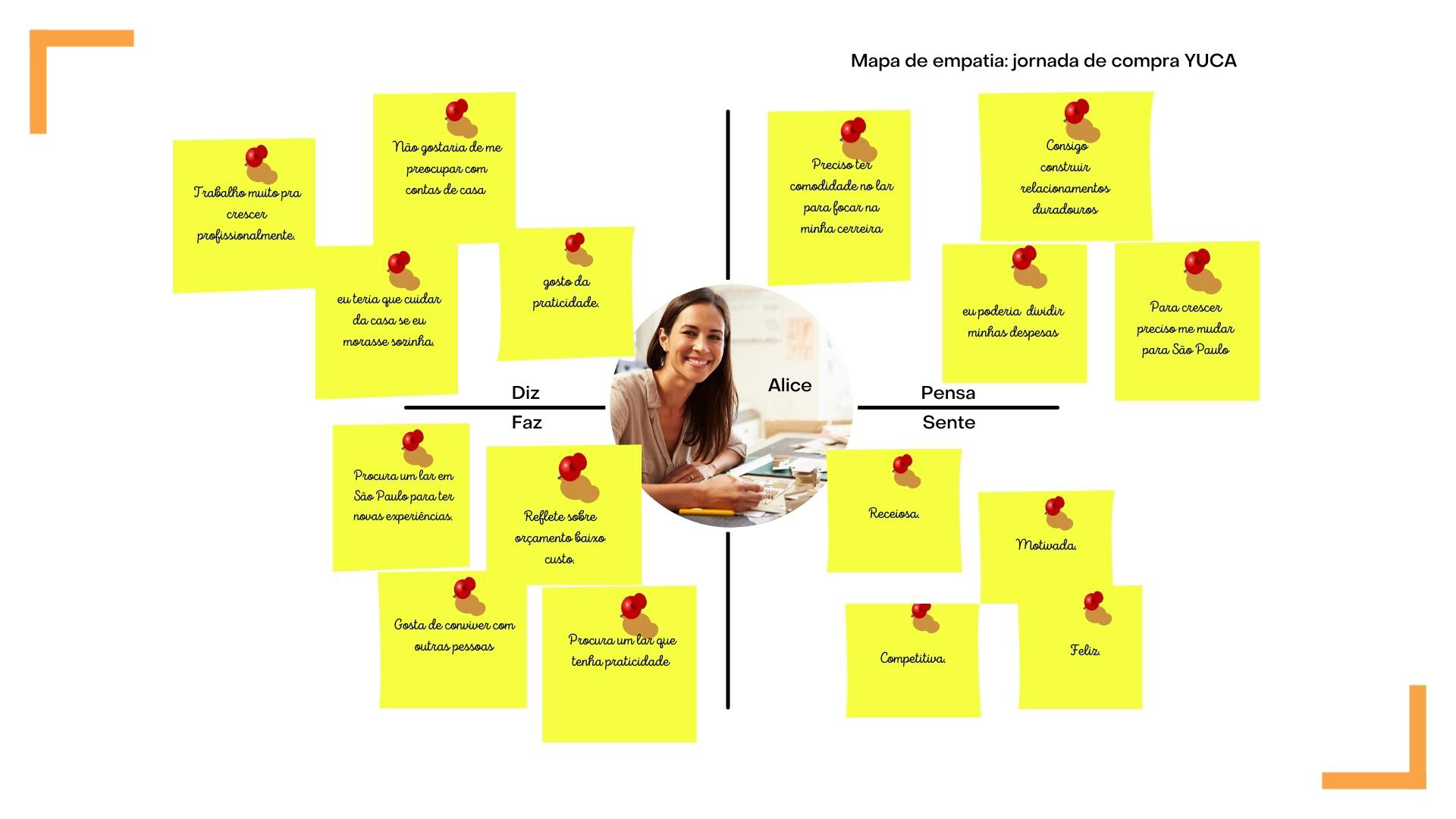
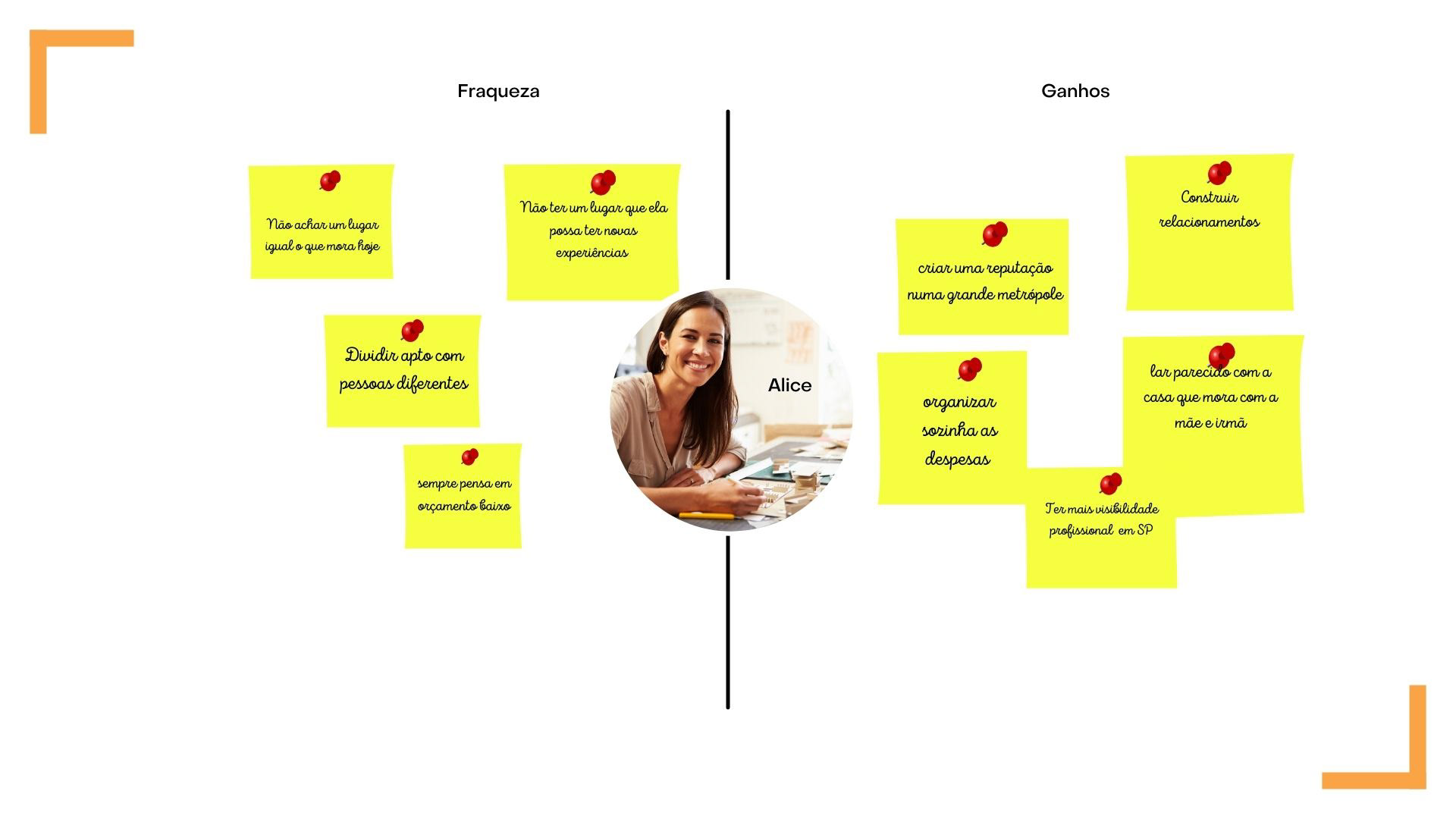
Alice, Interior Designer (28 years old)
"I take pride in helping people unlock their potential."
"I take pride in helping people unlock their potential."
Pain points:
- Finding a cozy, welcoming home
- Fear of shared living dynamics
Gains:
- New experiences
- Practicality
- Greater focus on her career
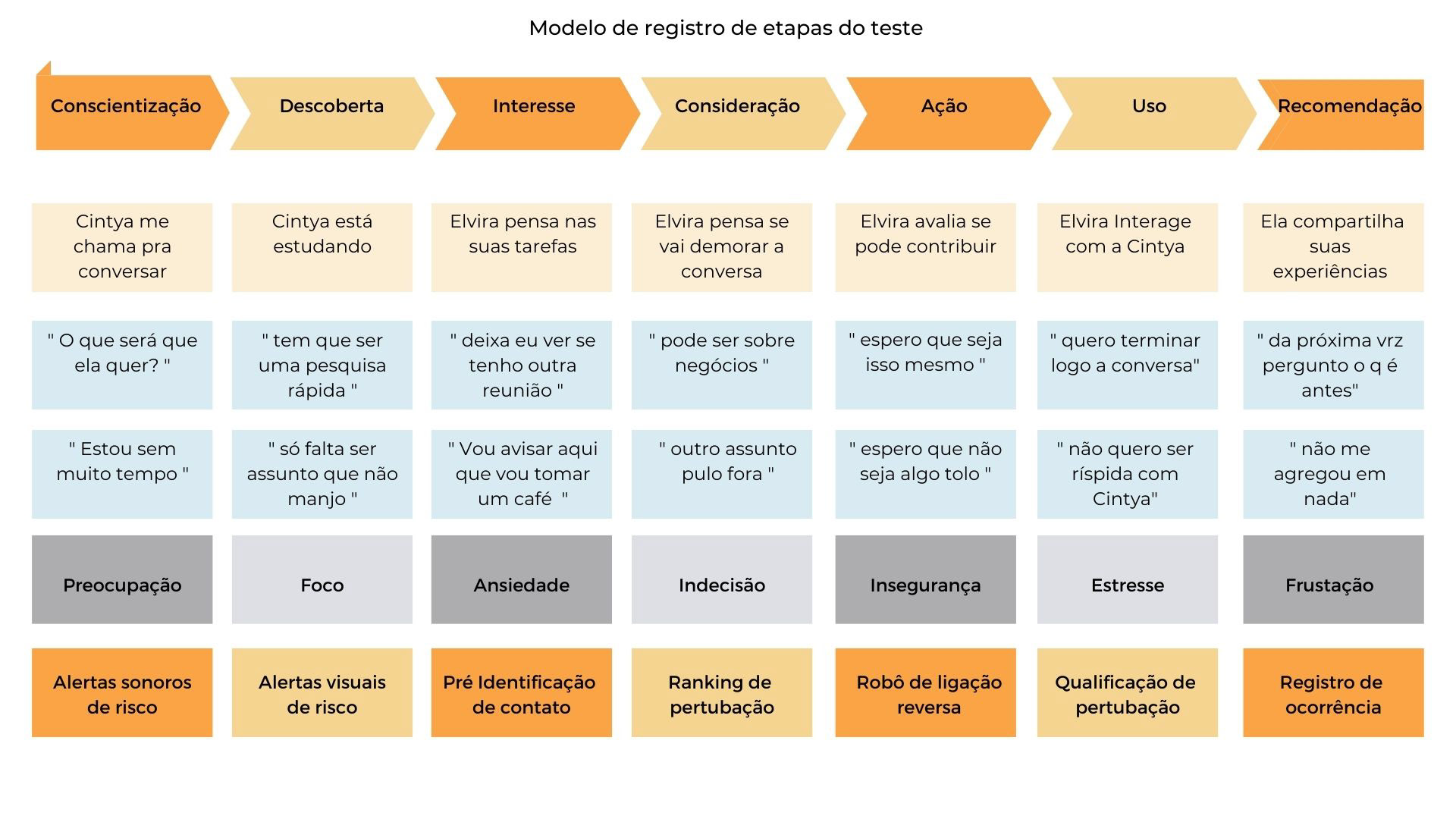
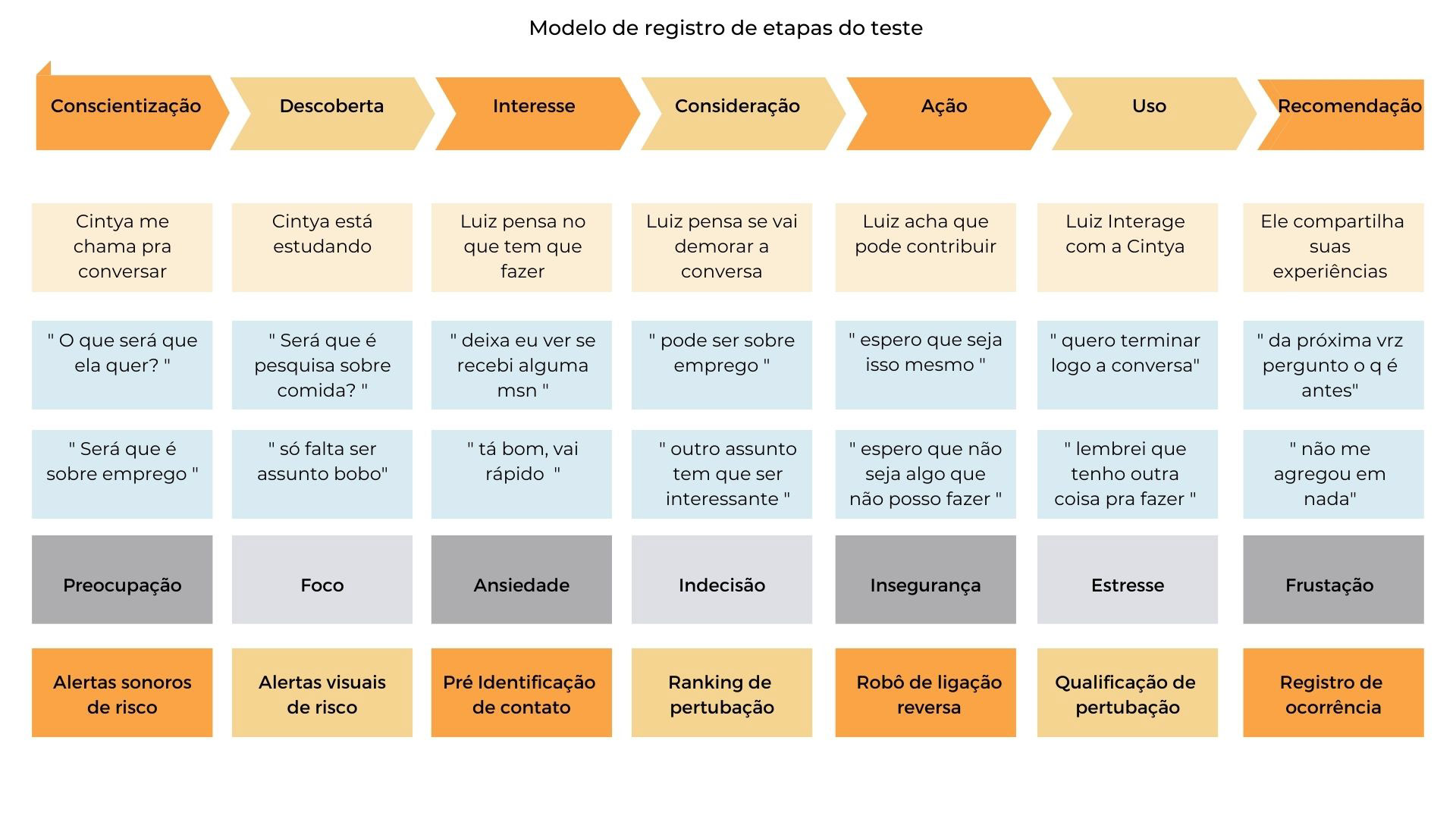
6. User Journey
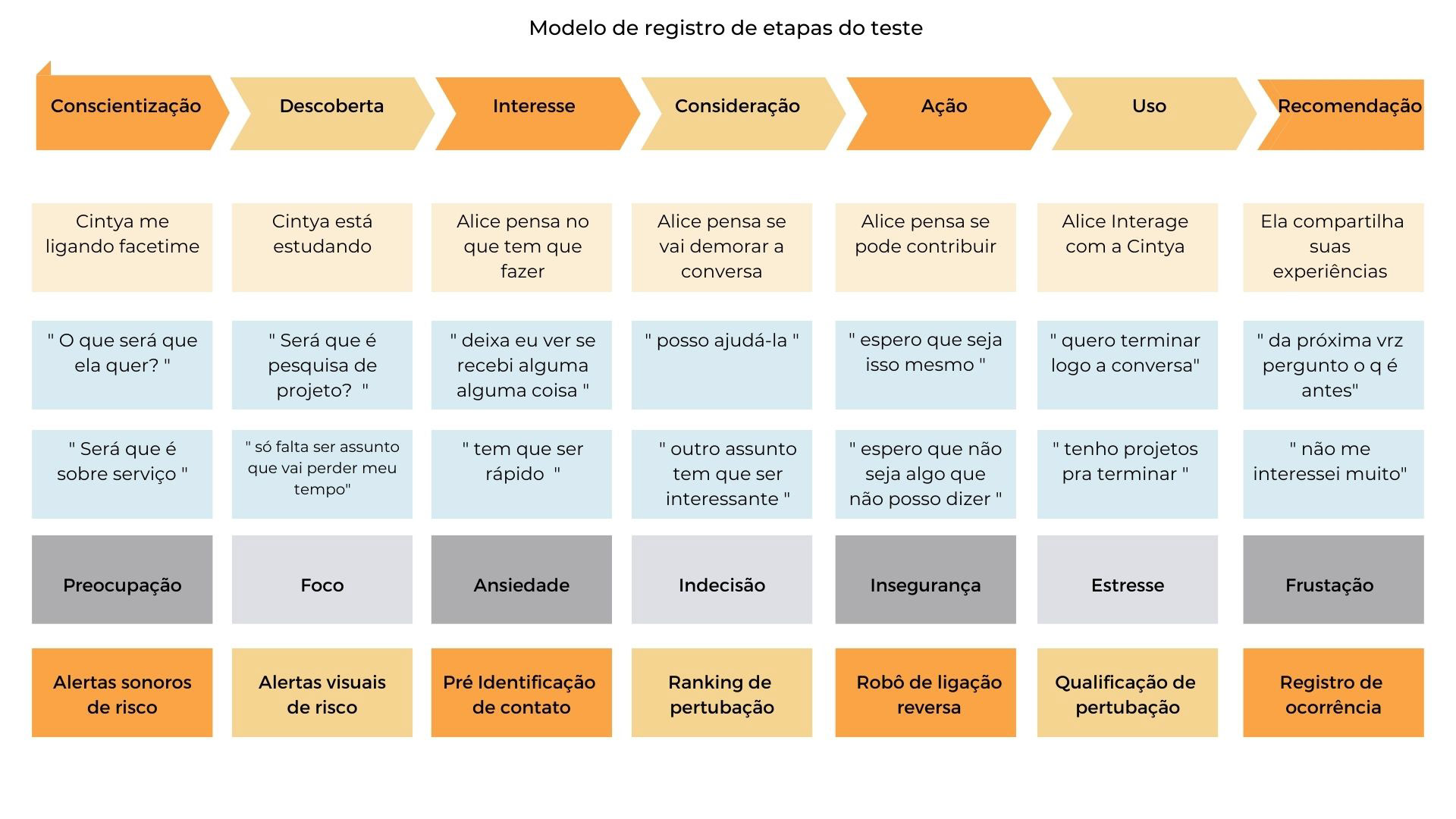
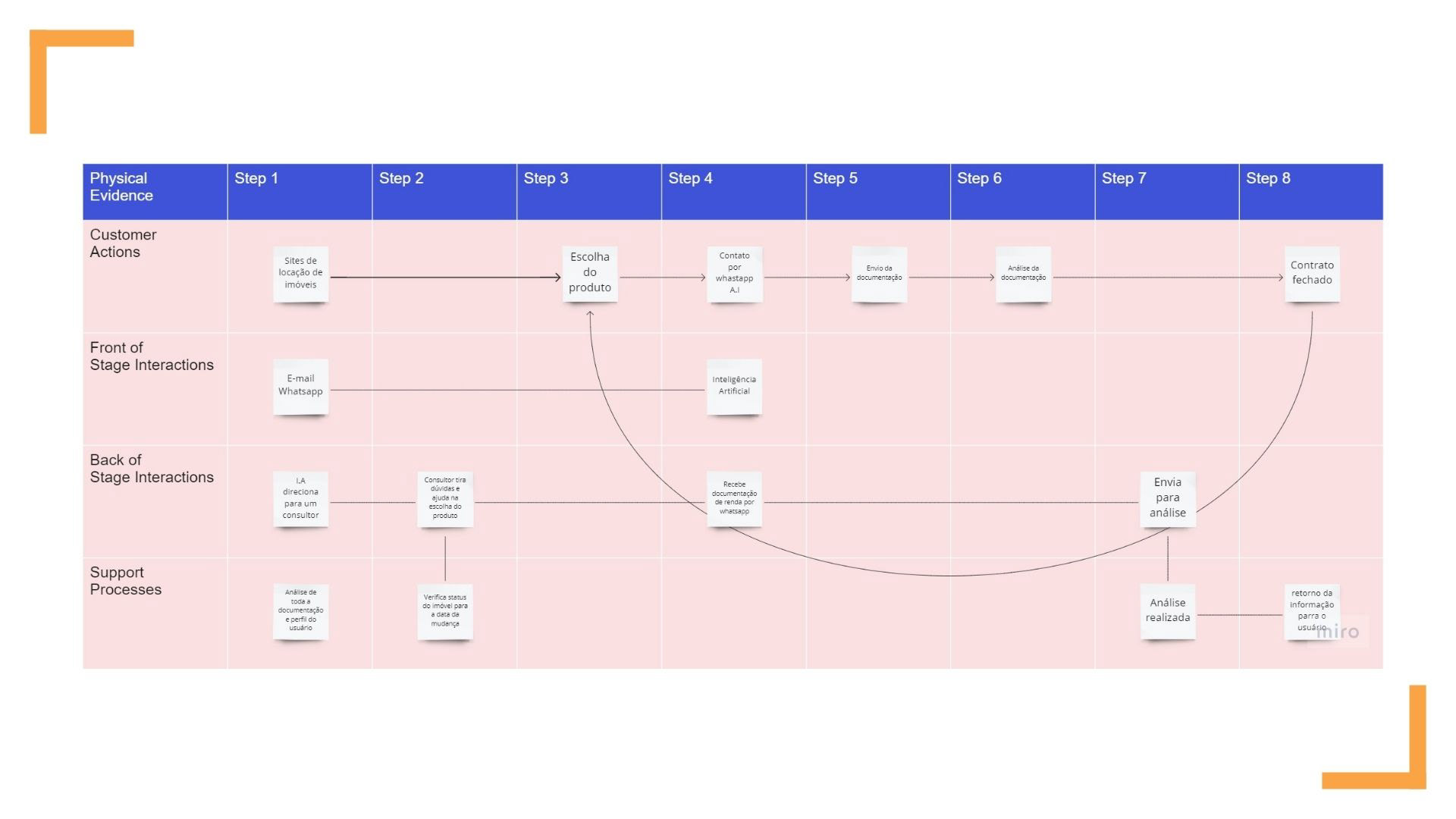
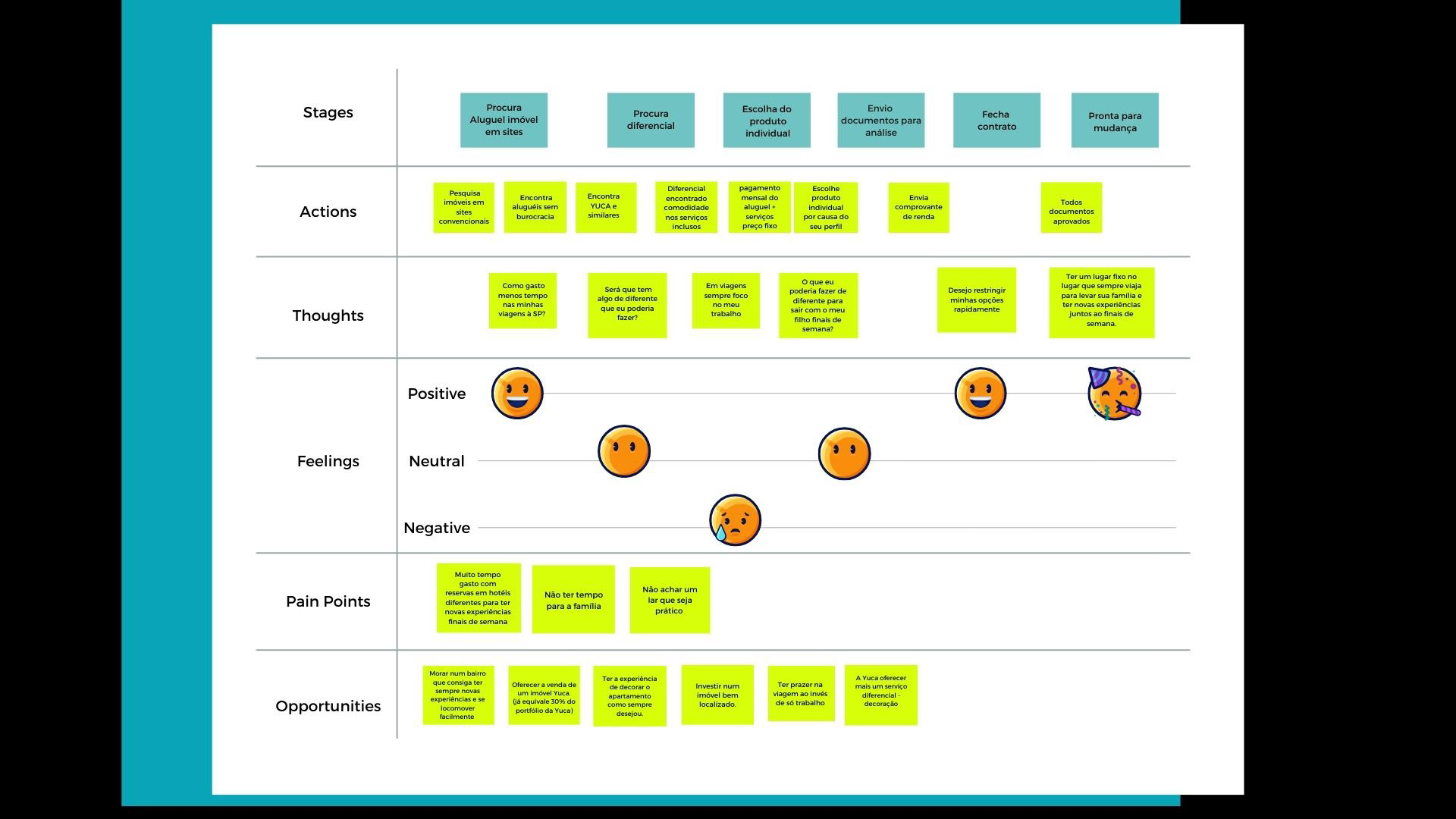
I presented complete user journeys including:
- Actions
- Thoughts
- Feelings
- Pain points
- Opportunities
The journey visually illustrates the emotional curve of the user experience throughout each stage.
7. Innovation Opportunities
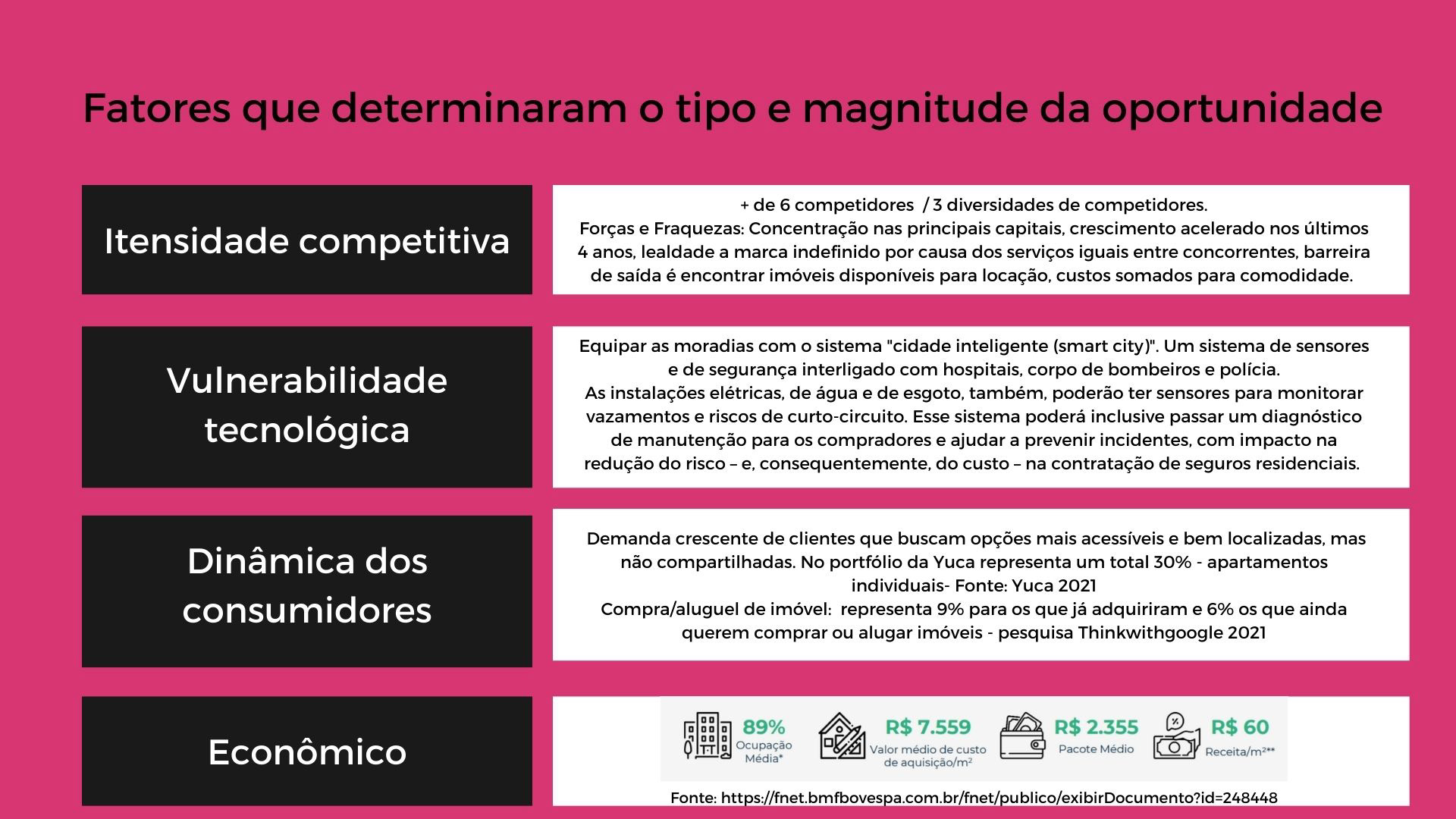
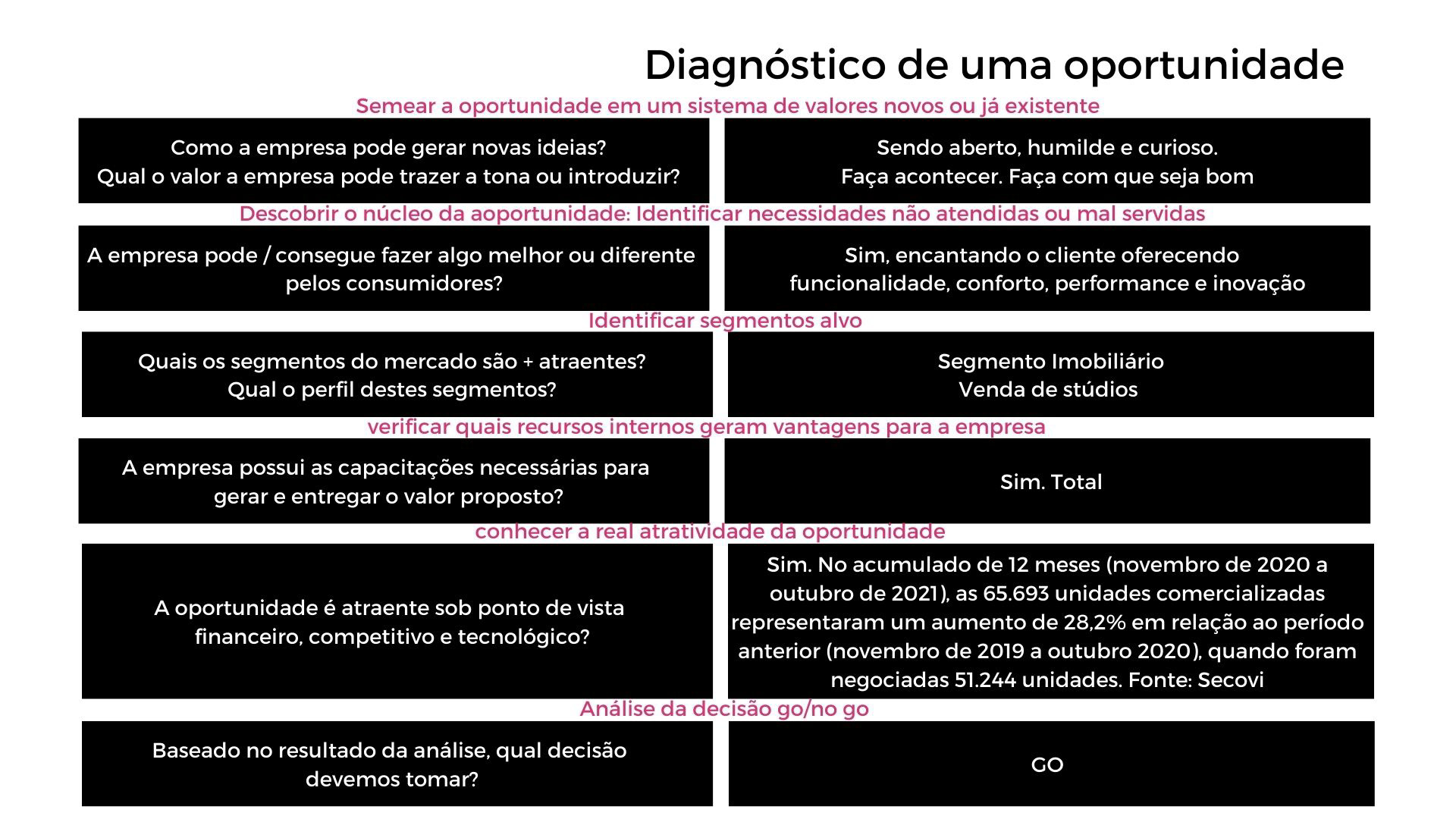
Based on the market study, I identified:
- The rise of compact apartments
- Growing demand for integrated neighborhood information
- The opportunity to build a platform powered by intelligent data
- The potential to evolve the app into a real estate investment hub
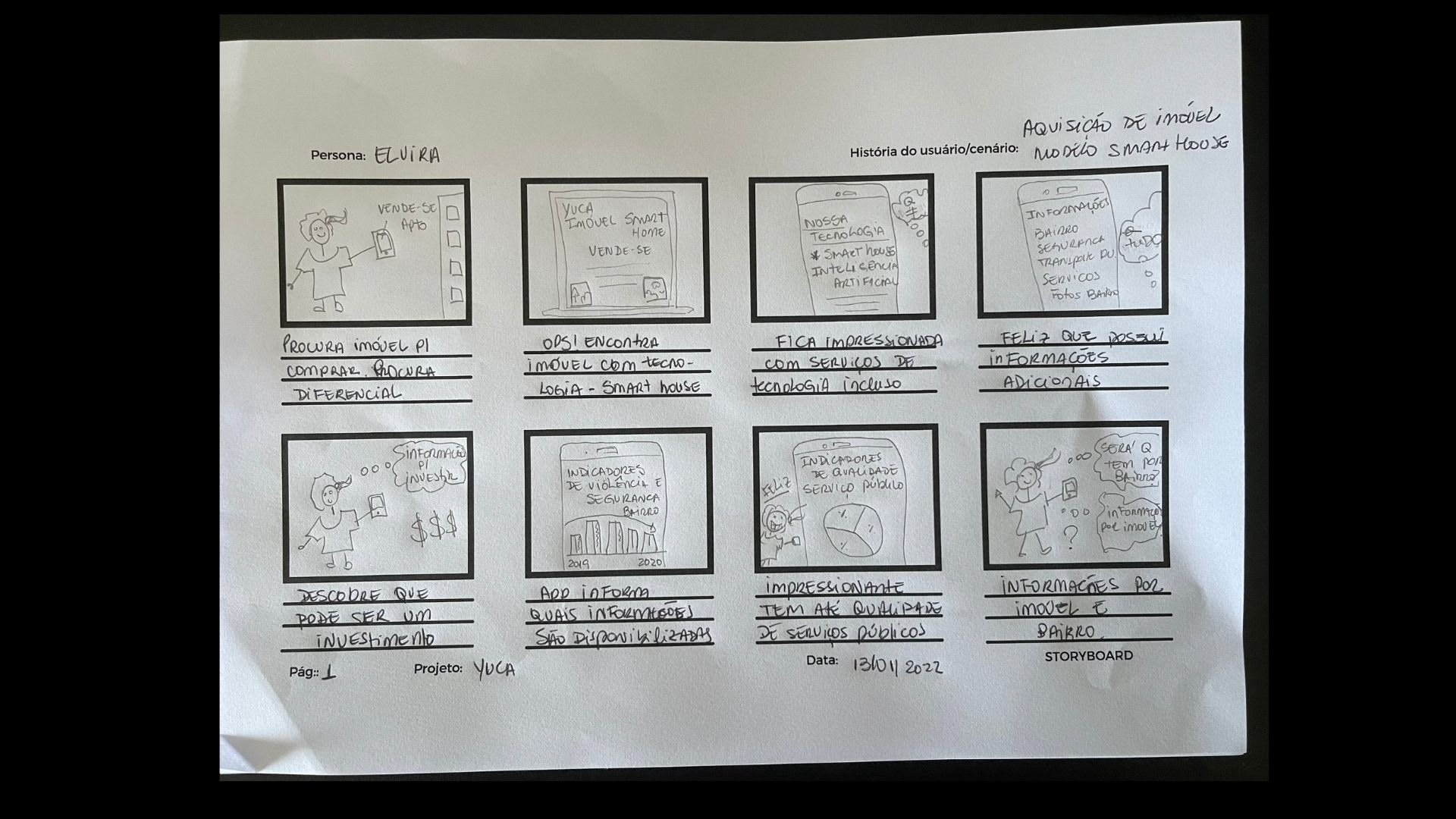
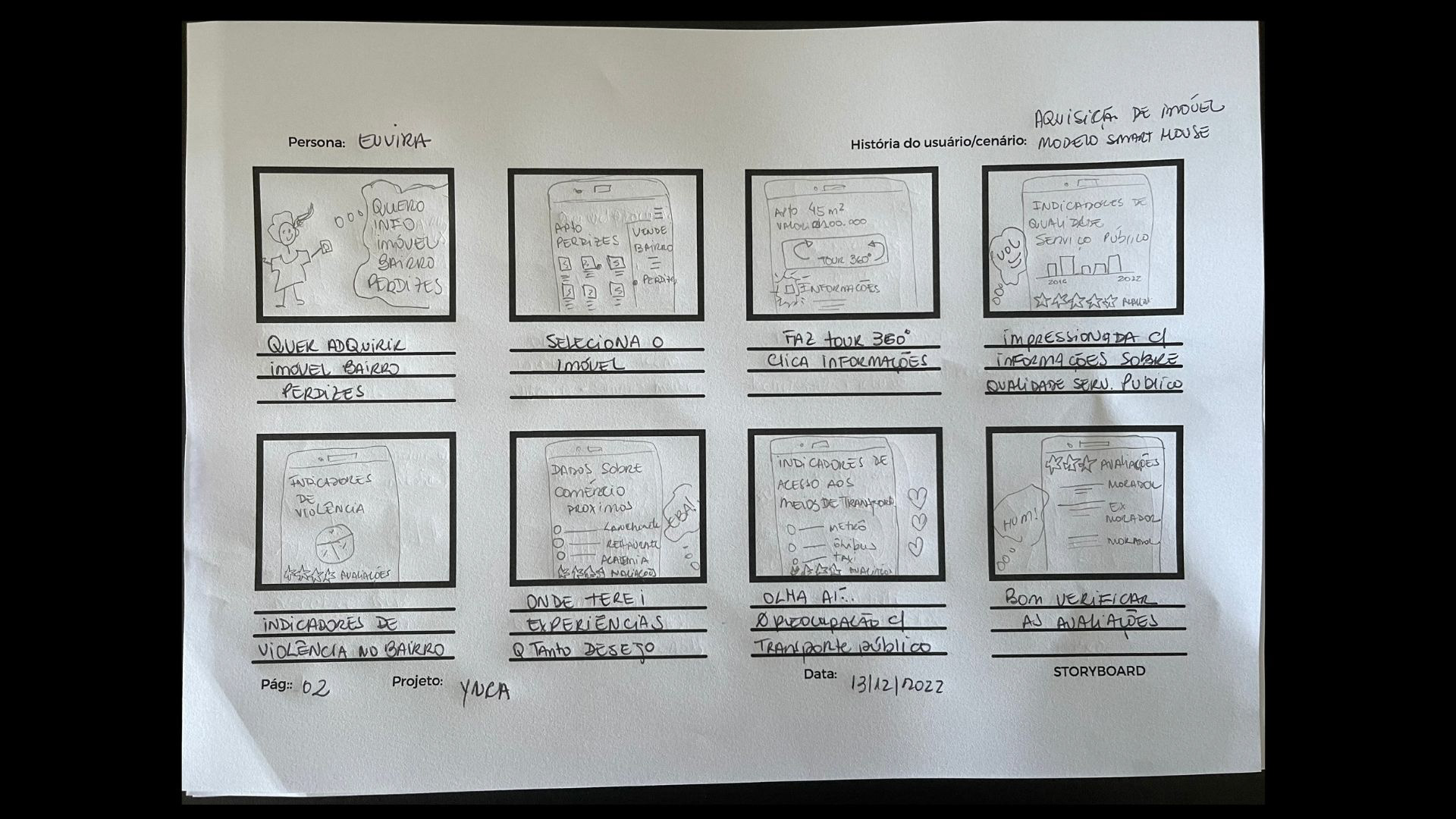
8. Ideation & Storyboard
Key insight
Users do not want just a property—they want:
Users do not want just a property—they want:
- Experiences
- Security
- Autonomy
- Agility
- Clarity to make decisions
Developed ideas:
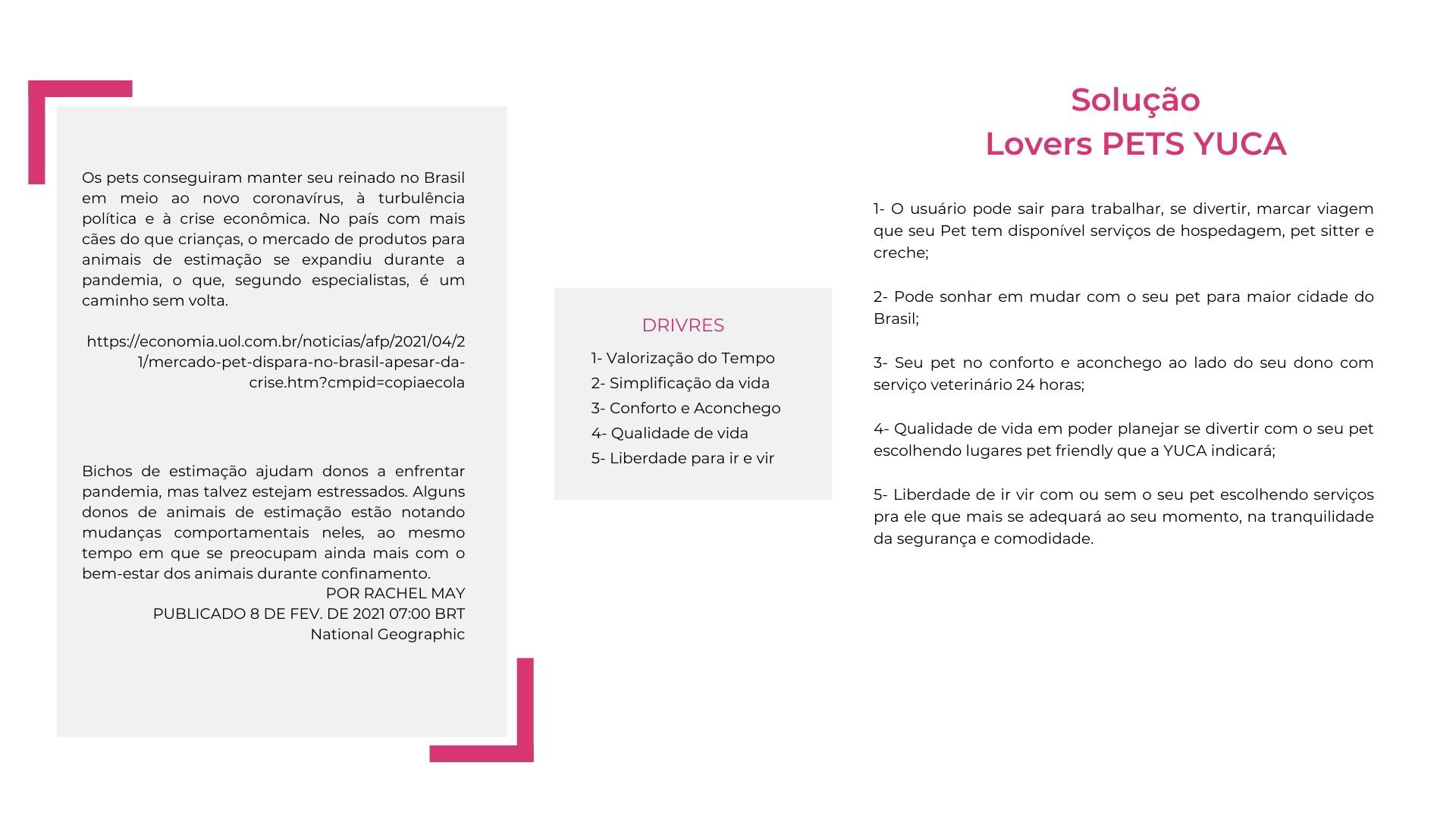
- A pet-friendly solution (pp. 10–12)
- A Smart House system combining automation and analytics
- One-click neighborhood comparison
- A bureaucracy-free purchase flow

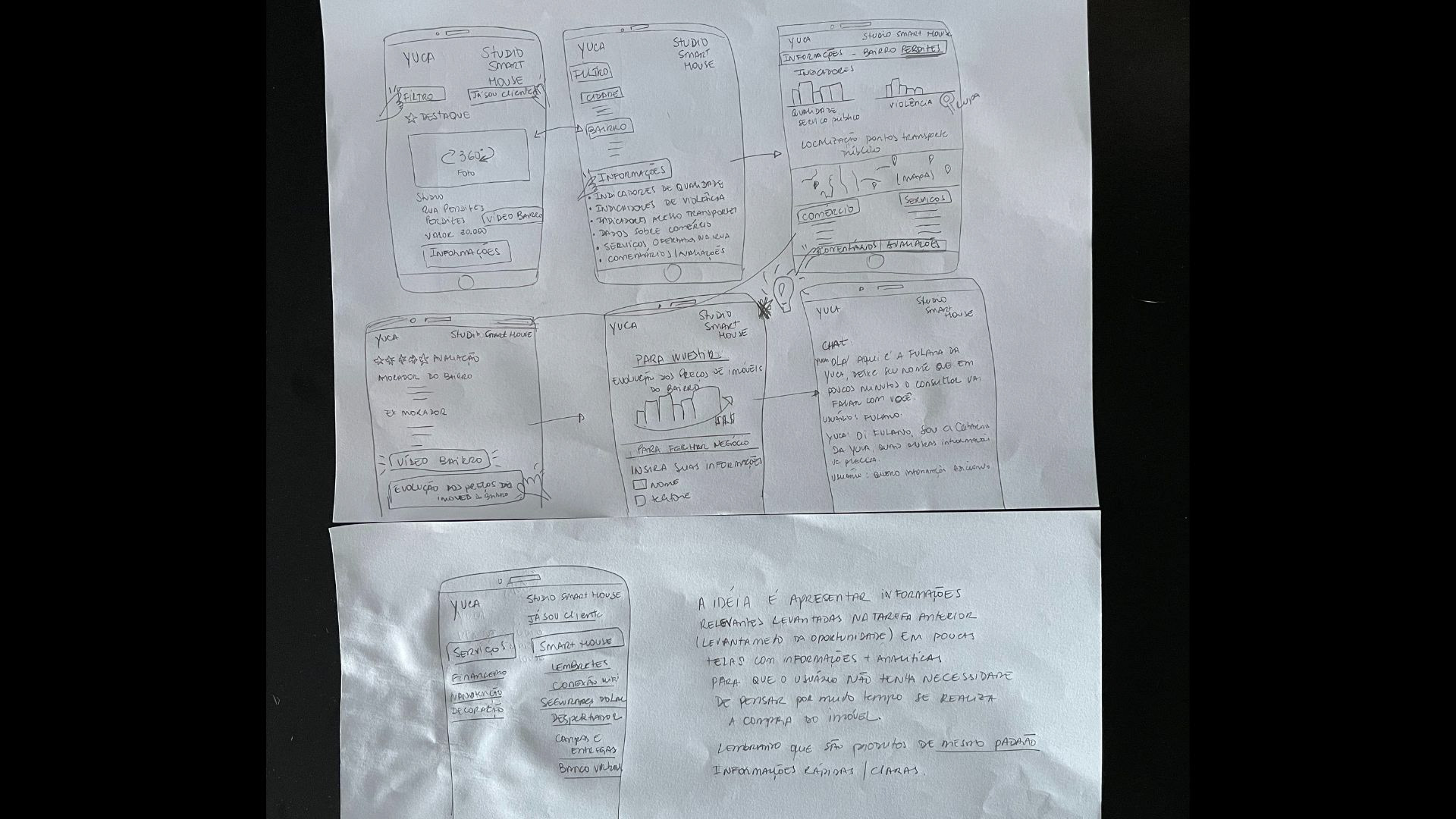
9. Solution Architecture
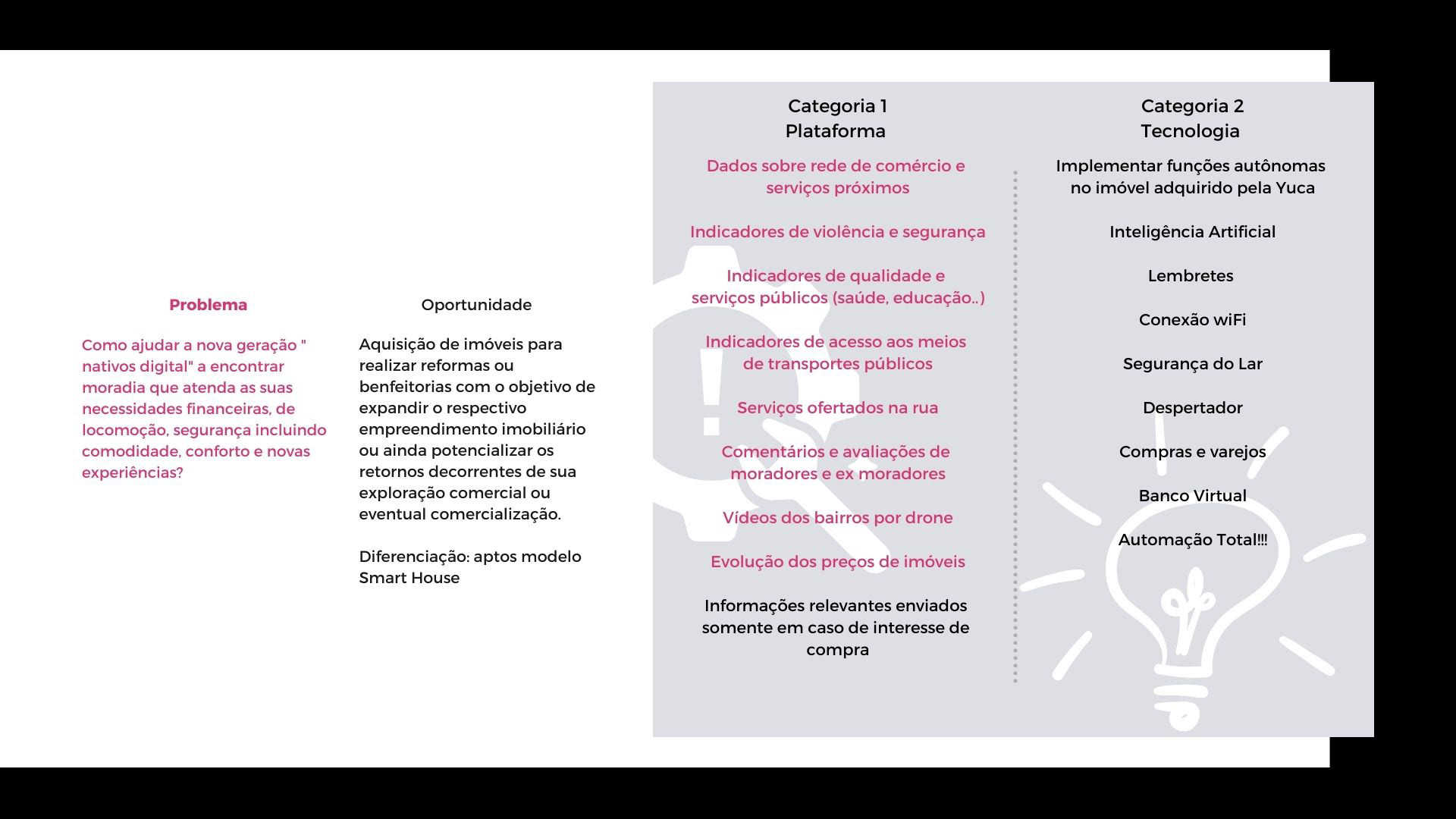
The Smart House platform brings together
Category 1 - Neighborhood Data:
- Security
- Local commerce
- Transportation
- Public services
- Property value appreciation
- Resident reviews
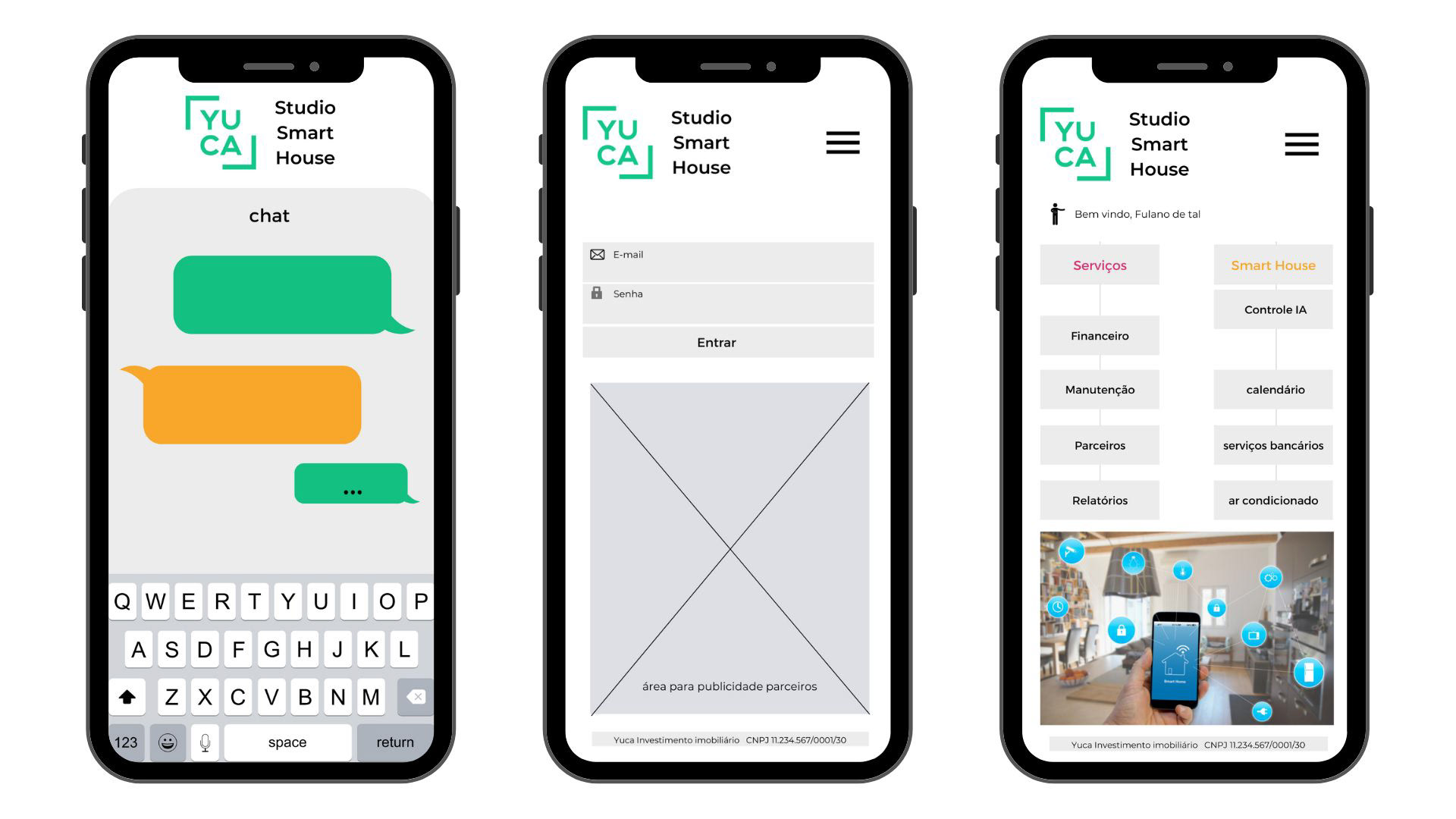
Category 2 - In-Home Technology:
- Automation
- AI
- Home control systems
- Maintenance management
- Reports
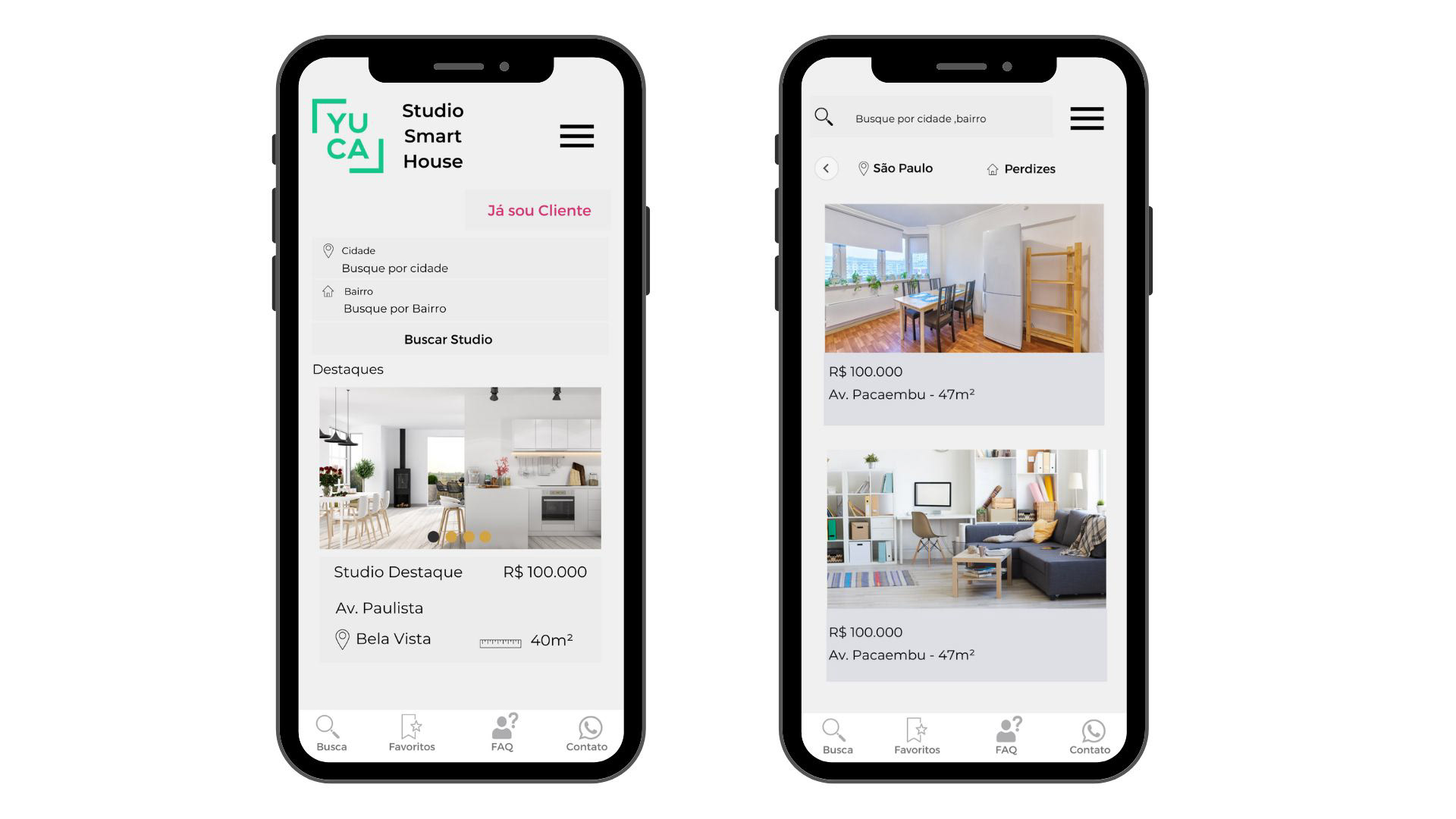
10. Mid-Fidelity Prototyping
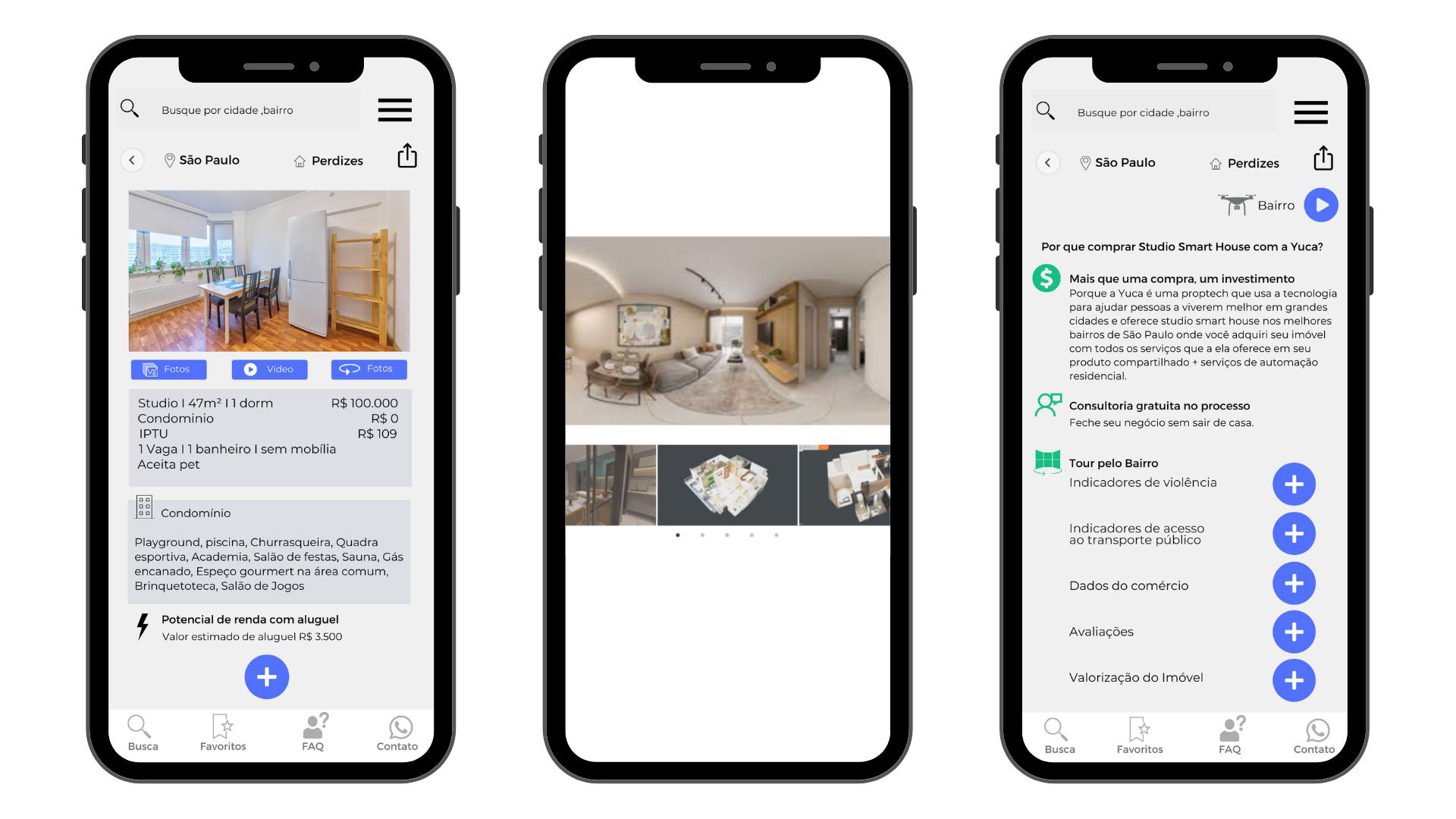
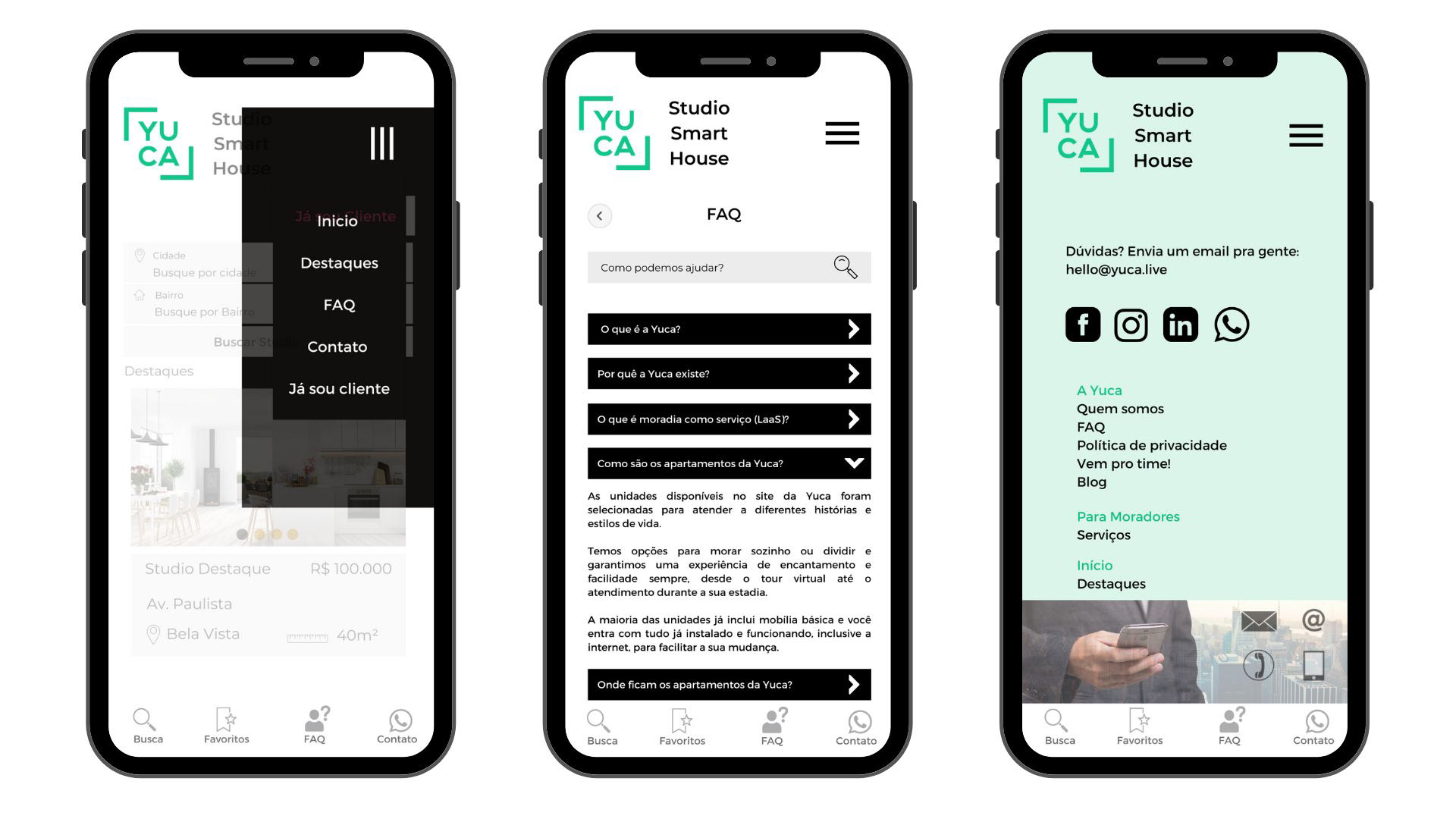
- Search by city or neighborhood
- Property detail screen
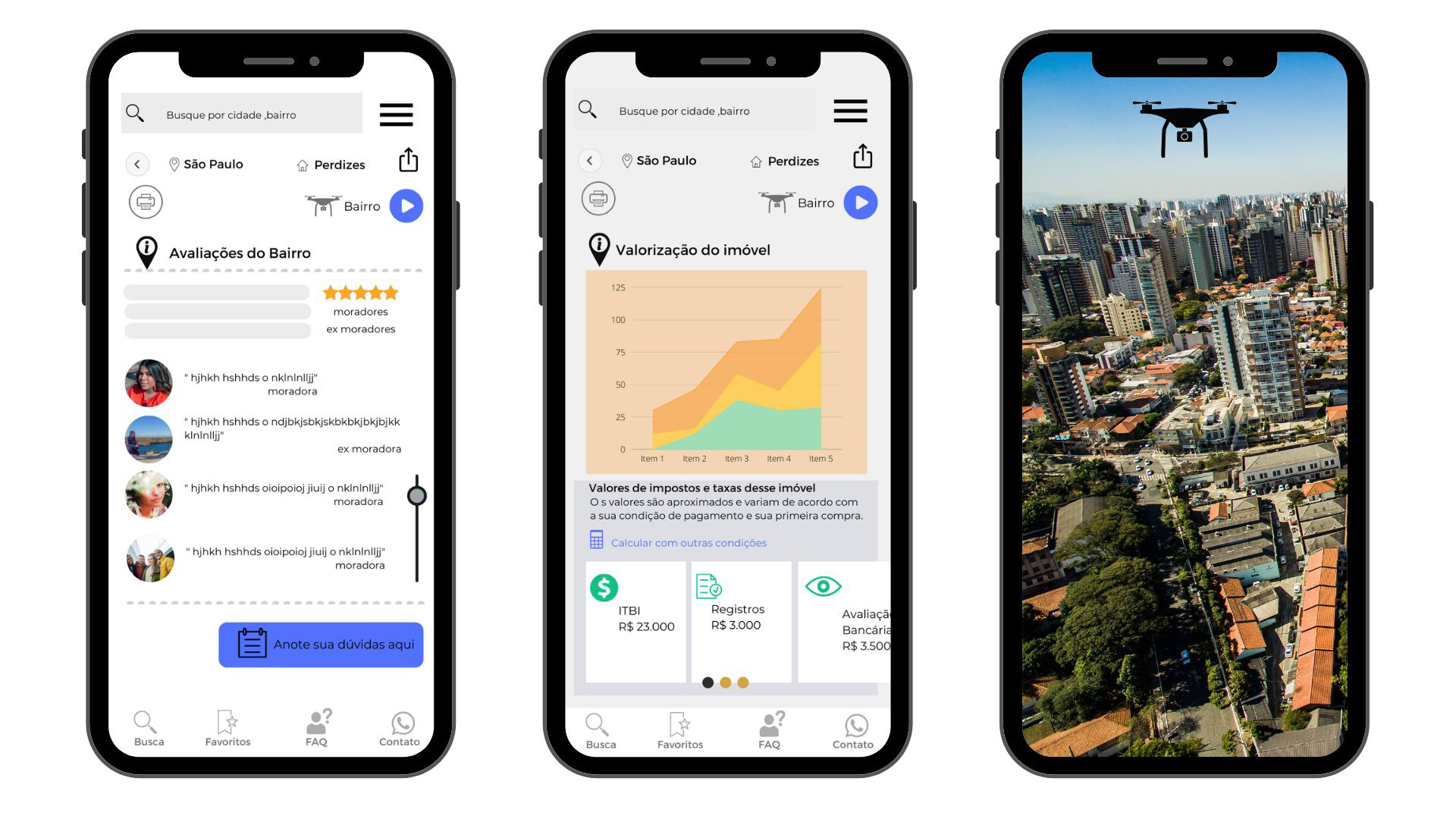
- Security, transportation, and local commerce data
- Property value appreciation
- User account area
The design prioritizes visual clarity, clean hierarchy, simple navigation, and quick access to relevant data in just a few taps. The aesthetic reinforces trust, transparency, and analytical precision—key pillars for real estate decision-making.
11. Final Outcome
The developed solution:
- Dramatically reduces decision-making time
- Delivers reliable data quickly
- Eliminates bureaucratic steps
- Converts curious users into qualified leads
- Positions YUCA as a technological reference
- Facilitates the purchase of standardized Smart House properties
12. Conclusion
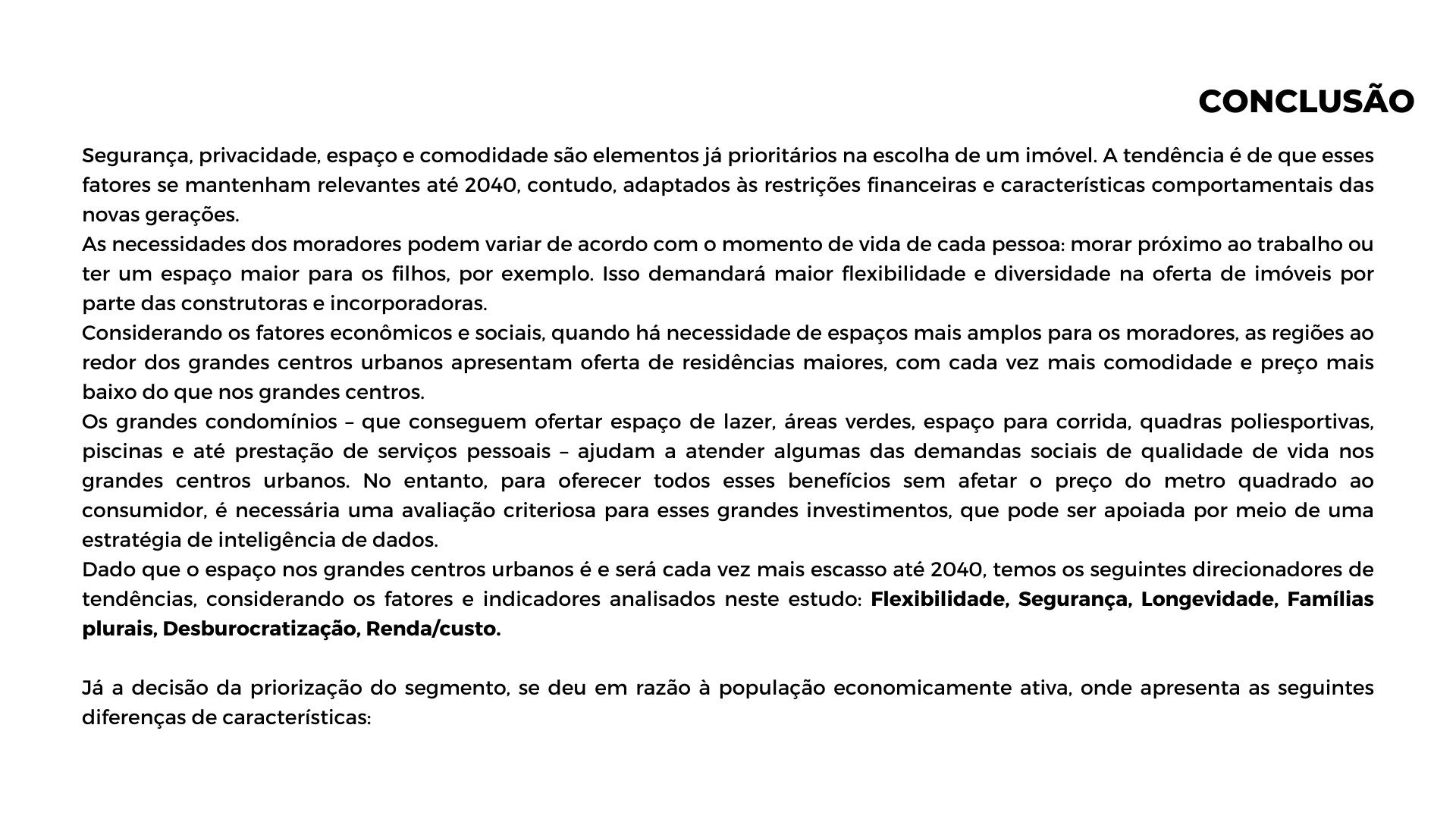
This project demonstrates that a data-driven flow, combined with intuitive design and emotional storytelling, can transform the housing search into a clear, objective, and engaging journey.
The Smart House platform accelerates decision-making, delivers meaningful experiences, and aligns technology with the behavior and expectations of new generations.